
Smart Home Devices That Actually Prevent Damage

Author profile picture
Contributing Writer | Personal Finance and Insurance

Erik J. Martin is a Chicagoland-based freelance writer who writes on insurance and finance topics for a variety of publishers, including The Chicago …

Author profile picture
Insurance Analyst

Beth Swanson is The Zebra’s Insurance Analyst and Communications Specialist, covering content, PR, and legislative insurance trends. A licensed insur…

Credentials
  • Licensed Insurance Agent — Property and Casualty
  • Associate in Insurance (AINS)
  • Professional Risk Consultant (PRC)
  • Associate in Insurance Services (AIS)
Author profile picture
Senior Editorial Manager

Susan is a licensed insurance agent and has worked as a writer and editor for over 10 years across a number of industries. She has worked at The Zebr…

Credentials
  • Licensed Insurance Agent — Property and Casualty
smart home devices

The Shift From Reacting to Preventing

Adding things like app-controlled thermostats, voice-activated speakers, and Wi-Fi-linked lightbulbs to your abode is a quick way to instantly boost your home’s technology IQ and make everyday living more convenient. But there are plenty of other smart home products also worth implementing, especially if you want to add an extra layer of security to your property and sleep more soundly knowing you’re better protected. 

From smart sensors and locks to shutoff devices and next-level cameras, these valuable gadgets can not only save you money on your homeowners insurance—many can also avert damage or losses that could lead to costly insurance claims.

“Home safety used to mean a smoke detector in the hallway and a lock on the door. But today, connected devices can watch for problems around the clock, alert you wherever you are, and in many cases act on their own,” says Laura Finson, director of Product and Strategy for Brinks Home.[1] “The biggest shift lately is from reacting to preventing. Instead of finding out about a burst pipe, fire, or break-in after the damage is done, homeowners can now get an alert in seconds or have the system act on its own.”

Let’s take a closer look at smart products designed to simply alert and those built to actively prevent, good candidates for this technology, and steps to take before you purchase. 
Detection vs. Prevention: Why the Difference Matters

Many smart home gizmos serve as simple detection devices that only notify you when something is wrong or when a task is completed. Cases in point: A water leak sensor alerts you that moisture exists beneath your sink, a smoke alarm blares a warning and sends a notification to your phone, and a window or door sensor informs you when an entry point opens. But while useful, they can’t actively stop an imminent threat or hazard. 

Smart preventive devices, on the other hand, automatically respond and curb the problem. 

“That water leak sensor will notify you, yet the water keeps running until someone acts. But install a smart whole-home water shutoff valve, and you’ve got a prevention device that turns off the supply and stops the water before the damage spreads,” says Paul Biava, president of ETC Florida, a home technology installation and service provider.[2] 

Preventing a major water leak could save you from spending thousands in out-of-pocket repairs and mold remediation. Yes, you could file a homeowners insurance claim to pay for those bills, assuming it’s a covered claim, but you’d still have to pay your deductible and deal with the hassle and inconvenience of the damage and claims process.

Other examples of preventive smart products available today include:

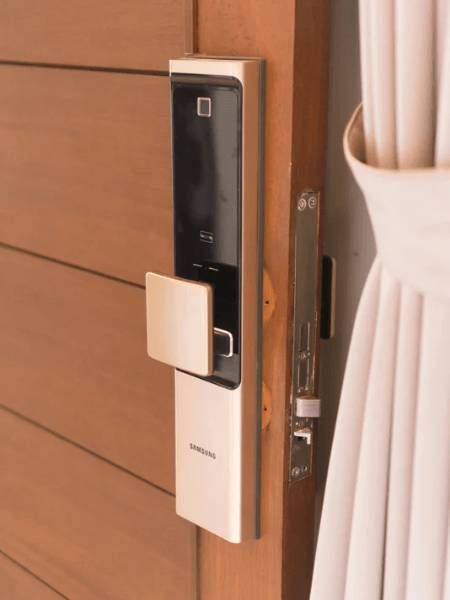
  • Door locks with auto-lock and tamper-lockdown features that prevent break-ins.
  • Circuit breakers that monitor power throughout your house and can shut off power to a section of the home if they detect an electrical overload, short circuit, or dangerous wiring fault.
  • Automated stovetop shutoffs that can automatically stop kitchen flames from spreading.
  • Sump pump controllers that safeguard your basement from flooding during heavy rainfall.
 smart door lock

Water Damage: Where Smart Tech Has the Biggest Impact

Bard Nielsen, a certified home inspector, recommends investing in smart devices that detect and prevent water damage first.[3]

“Water damage and freezing make up roughly one-quarter of homeowners' property damage claims, and unlike hail, most of it is preventable,” says Nielsen. “In my inspections, the culprits are usually ordinary: failed washer supply lines, water heaters past their service life, and slow drain leaks under sinks.”

He recommends installing smart leak sensors in those spots and implementing an in-line flow monitor on the main water line, which can track how water moves through your home and flag you for continuous flow like a running toilet or a burst line. For ultimate H2O protection, install a whole-home water shutoff device that closes your main valve when usage looks wrong, even if nobody’s home.

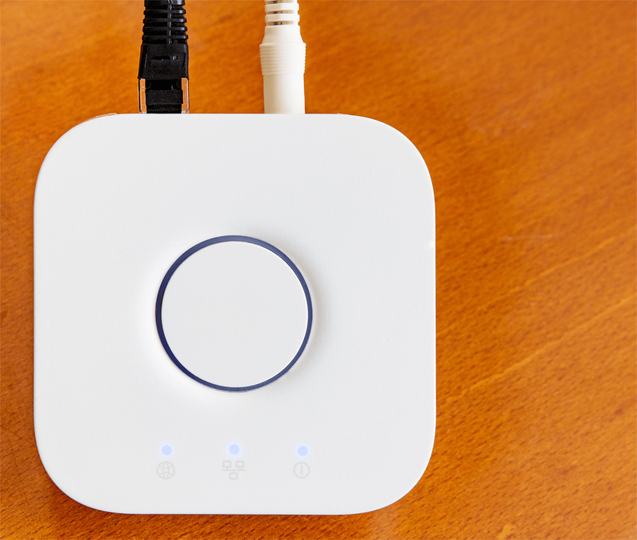
Beth Swanson, insurance analyst with The Zebra, says she uses a brand of affordable water sensors that requires a smart hub.

“One of the best things about these devices is that you can place them in areas you don’t regularly go, like crawlspaces, cabinets, and behind the refrigerator, and still get notified if there’s an issue,” she explains. “I’ve had my sensors go off twice—once for an HVAC condensate pipe in our attic that I likely wouldn’t have discovered until it came through the ceiling, and another in a plumbing access panel under our stairs. Both times, we were able to address the problems quickly without suffering damage.”

Do smart home devices work if I’m not home?

Yes, many smart home devices continue to operate and safeguard your home even when you are away. So long as your home internet connection and the devices remain powered on, they can monitor sensors, execute automated routines, and send real-time push notifications directly to your smartphone. Backup battery options and cellular hubs also ensure that crucial security, fire, and leak-prevention devices stay fully operational during power or internet outages.

Fire and Carbon Monoxide: Early Seconds Change Everything

Fact is, a standard passive smoke or carbon monoxide detector is only effective if you are home and awake. But smart connected detectors, particularly those linked to a professionally monitored home security system, send push notifications, texts, or calls to your smartphone and to a monitoring center that can dispatch emergency responders whether you’re home or not. 

“This adds the most protection, particularly for vacation homes and households with children, older adults, or anyone who may need help,” adds Finson. 

Other products address common ignition sources before a fire ignites. For example, smart plugs and timers can automatically turn off space heaters, holiday lights, and other plug-in devices to prevent them from operating overnight. And smart breakers can monitor how much power each circuit draws and shut one down if a reading looks abnormal.

“Also, smart thermostats and connected heating controls help prevent systems from overworking, and temperature sensors can flag overheating and a utility area,” Finson continues.

space heater

What is the difference between a smart smoke detector and a regular one?

A smart smoke detector links to your Wi-Fi network and sends real-time alerts directly to your phone when smoke (or, with some models, carbon monoxide) is detected. A normal smoke detector merely sounds a loud, local siren, but a smart detector enables you to monitor your home remotely, turn off false alarms from an app, and receive low-battery warnings on your phone instead of hearing a chirp at night. 

Security: What Deters vs. What Just Documents

Security cameras are primarily designed to document your property by recording and displaying live video. This footage can be useful as evidence in a claim or police report, and visible cameras can deter criminals. But only smart cameras linked to a professionally monitored service—which usually requires a regular fee—can prevent bad outcomes like theft, break-ins, or home invasions by alerting you and/or the police. Cameras that allow you to remotely hear and speak to someone being recorded can further help deter unwanted visitors.

“Cameras are most useful when you can see and speak to someone in real time, and pairing them with motion-activated exterior lighting turns them into a deterrent rather than a recording because most intruders don’t want to be seen,” says Biava. “Some security systems now even send a drone to investigate and alert, giving you and local authorities a live view inside or outside your home while you’re away.”  

Smart locks also play a major security role, especially if you’ve left home and forgotten to lock the door; you can lock it remotely and issue temporary codes for guests or contractors, too, eliminating the need for hidden spare keys.

The homes that benefit most

Any household is a good candidate for smart detection and prevention devices. But you stand to benefit even more from installing these technologies if you live in a higher-crime area, have children, are often away from home, or have:

  • An older home with aging systems and appliances that make you more vulnerable to leaks and fires.
  • A vacation property commonly left vacant.
  • A finished basement—an area where water can collect and finished space is costlier to repair and replace.
  • An address in an extreme weather area. “Frozen pipes can burst and flood a home in colder climates, while remote monitoring is valuable for owners in wildfire zones who must evacuate. And homeowners in areas vulnerable to storms and floods can use water sensors, sump pump monitors, backup power alerts, and remote cameras to track conditions and respond, even from a distance,” Finson suggests.

Before You Buy

Prior to plunking down dollars for these cutting-edge items, assess your home and prioritize the most vulnerable areas. Choose devices based on your home’s highest probability of loss, not the flashiest features.

“For many homes, that means investing in water safety. A few well-placed leak sensors with an automatic shutoff valve will do more than a house full of gadgets,” Biava advises. “Also, know which devices only alert you and which ones act on their own. Then, decide how much automatic response you need, especially if you travel often.”

Additionally, opt for products that work together on one platform to avoid the need for separate apps. Give some thought to device installation and maintenance, too, including who will change the batteries and troubleshoot problems.

“A battery-powered sensor or camera is an easy do-it-yourself project, while a smart breaker or water shutoff valve is worth having professionally installed,” adds Biava.


FAQs

What smart home devices prevent the most expensive insurance claims? Chevron down icon

Smart main-line water shutoff valves likely prevent the single most frequent and pricey non-weather insurance claims by automatically isolating the plumbing before burst pipes cause catastrophic flooding. Smart electrical monitors and automated stove shut-offs may also mitigate the highest-severity claims by catching arc faults and cutting range power before destructive home fires ignite. Smart thermostats can also automatically turn on your furnace or issue low-temperature warnings to prevent frozen, ruptured pipes during winter freezes.

What is an automatic water shutoff valve and do I need one? Chevron down icon

An automatic water shutoff valve is a smart home safety device installed on your main water supply line that constantly monitors pressure or flow to identify leaks and automatically turns off the supply to prevent indoor flooding. Install one to safeguard your home from catastrophic water damage caused by burst pipes or hidden plumbing leaks, especially when you're away.

Can smart home devices prevent fire damage? Chevron down icon

Yes, smart home devices can actively prevent fire damage by interrupting hazards before flames ignite and spread. Smart smoke and heat detectors connected to a professionally monitored system can send instant mobile alerts to you and the fire department when they detect a threat. Smart electrical monitors and smart breakers can detect dangerous electrical hazards early, while automated stovetop shut-offs can cut power or gas to ranges when a smoke alarm sounds.

Sources
  1. Interview with Laura Finson. LinkedIn

    Interview with Laura Finson. LinkedIn

  2. Interview with Paul Biava. ETC Florida

    Interview with Paul Biava. ETC Florida

  3. Interview with Bard Nielsen. LinkedIn

    Interview with Bard Nielsen. LinkedIn