How to Insure a Car You Don't Own
You can insure a car you don't own by adding the owner as an additional interest, joining their policy, or purchasing a non-owner insurance policy, depending on your circumstances.
 Why you can trust The Zebra

Ross joined The Zebra as a writer and researcher in 2019. He specialized in writing insurance content to help shoppers make informed decisions.
Ross h…
 Credentials
- 5+ years in the Insurance Industry


Renata joined The Zebra in 2020 as a Customer Experience Agent. Since 2021, she has worked as a licensed insurance professional and content strategis…
Credentials
- Licensed Insurance Agent — Property and Casualty
- 5 years of experience in the insurance industry
Can you insure a car you don't own?
Yes- you can insure a car you don't own, though the process can be challenging. Insurance companies almost always require that a policyholder have an insurable interest — or a level of ownership — in the vehicle being insured. Otherwise, there is very little motivation for the policyholder to take good care of the vehicle.
However, there are a number of solutions depending on your personal situation. Have a look at our breakdown of these options to see if they might work for you and read on for more details about each.
| Your situation | Best option |
|---|---|
| You drive a car owned by someone who lives elsewhere | Add the owner as an additional interest |
| You live with the car's owner and drive it often | Add yourself to their insurance policy |
| You borrow cars occasionally | Buy a non-owner policy |
| You want joint ownership of the vehicle | Add your name to the title |
| You rely on someone's car for essential needs | Talk to an insurance agent |
Option 1: Adding the vehicle’s owner to your insurance policy as an additional interest
Adding the owner of the car is typically the easiest way to insure a vehicle you do not own. Listing the owner as an additional interest does not actually raise the cost of a car insurance policy, it simply states someone else has an insurable interest in the vehicle. This is similar if you had a loan on the vehicle: much like a bank, the owner still has a financial stake in the vehicle even if they don't drive it. The bank — or owner — has control over the level at which the vehicle is covered. If you total or damage the vehicle, the claims check would be written to the owner.
Most car insurance companies will allow you to do this. However, if your current provider does not, consider this a good opportunity to get new car insurance quotes personalized for you.
Bottom line:
- If you’re living away from the primary owner and need your own policy, list the vehicle's owner on your insurance policy as an additional interest.
Option 2: Adding yourself to the owner’s policy
This option works best if you share a residence with the vehicle owner, as most insurers require this for coverage. Insurers consider risk tied to ZIP codes, and parking a vehicle in a different ZIP code than the policyholder’s address may violate policy terms.
Adding yourself to their policy will also increase premiums, as insurance providers calculate rates based on all drivers and vehicles covered. They typically cannot separate your share of the costs, so rates rise regardless of your driving record.
Bottom line:
- You must live at the same address as the primary owner to share an insurance policy.
- You will increase the premium on the shared policy by adding yourself as a rated driver.
Option 3: Buying a non-owner insurance policy
A non-owner auto insurance policy is a liability insurance policy designed for people who drive another person's vehicle sparingly but do not have insurance themselves. This coverage will usually work as a complement to the vehicle’s primary policy. For instance, ff you borrow a friend or family member's vehicle for the day and get into an at-fault accident, totaling another vehicle in the process, your non-owners policy would only apply if you exhaust the property damage and bodily injury liability coverages carried by your friend.
A non-owner car insurance policy doesn’t cover damage to the vehicle, i.e., collision coverage and comprehensive insurance. Because you are not technically insuring any single vehicle with this coverage, an insurance company cannot rate physical coverage.
Bottom line:
- Non-owners insurance does not cover physical damage to the vehicle, providing liability insurance only.
- A non-owners policy may be a good idea if you don’t own a vehicle but commonly borrow a car from a friend or relative.

Zebra Head of Agency Katie Gold says, "Some carriers allow for what's called 'permissive use,' meaning if I lent my car to my roommate and they drove it, that's okay. An accident would still be covered." It's worth noting that anything more regular than special-occasion usage would require one of the other solutions outlined here.
Further options for coverage
Drivers may have a few additional options when it comes to insuring a car they don't own, but they are not as common.
- Have your name added to the vehicle's title. However, this can be difficult unless the car is fully paid off.
- Demonstrate need to your insurance company. This can be even more complicated and usually requires a non-owner to show the insurer that they rely on the vehicle as a primary means of transportation to and from work or for other important needs.
At the end of the day, the auto insurance coverage choices you make will be based on your personal circumstances. If you’re not sure about your options, use The Zebra to compare personalized insurance prices.
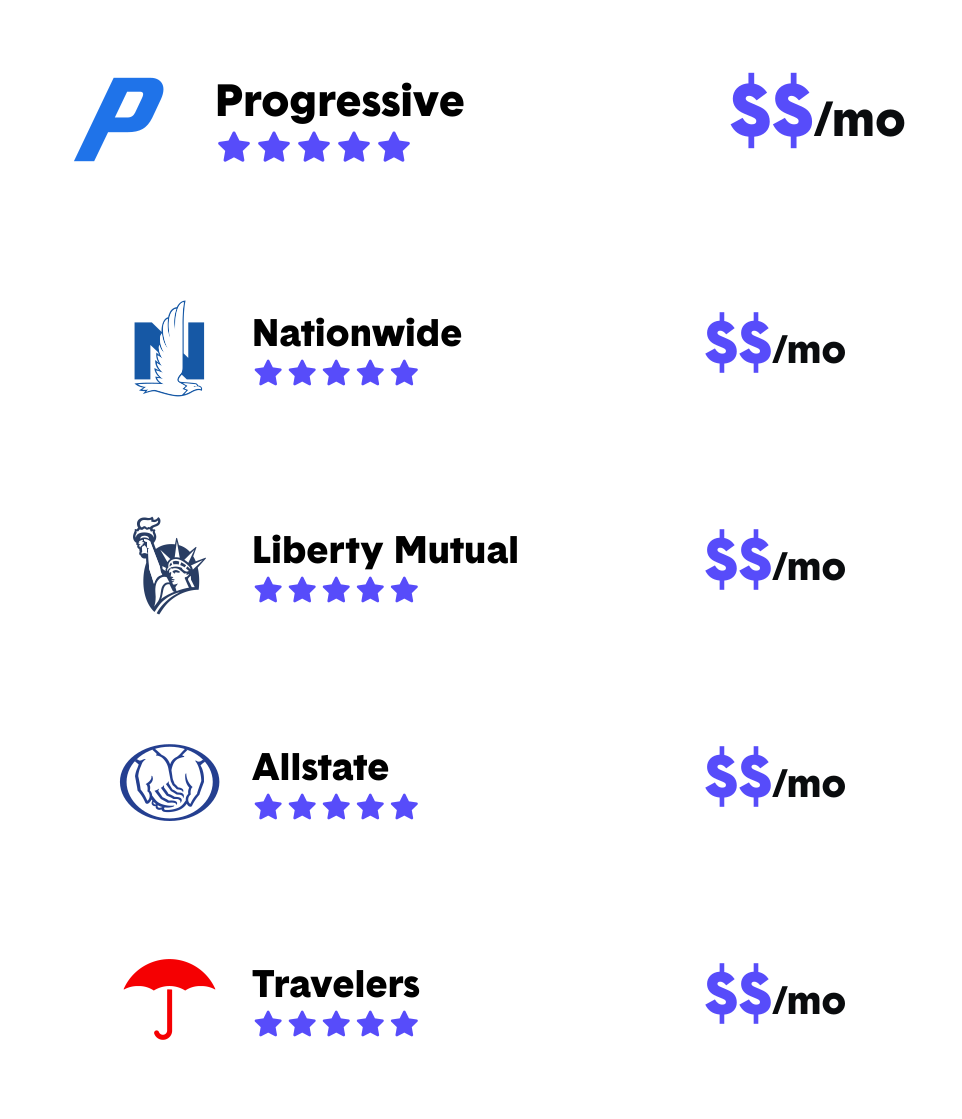
It's worth talking through your options with a licensed insurance agent. They'll be able to tell you which of the above options offers you the best bang for your buck. Compare quotes from several companies at once with one of The Zebra's agents and find the best deal.
Renata joined The Zebra in 2020 as a Customer Experience Agent. Since 2021, she has worked as a licensed insurance professional and content strategis…
Credentials
- Licensed Insurance Agent — Property and Casualty
- 5 years of experience in the insurance industry

Katie has worked in the insurance industry for more than 12 years. She started her career in claims with Allstate Insurance, but with a background in…
Credentials
- Licensed Insurance Agent — Property and Casualty
- Licensed Insurance Agent — Life, Accident and Health
- Series 6 License (Investment Company/Variable Contracts Products Limited Representative)
- Series 63 License (Uniform Securities Agent)
- Series 26 License (Investment Company and Variable Contracts Products Principal)