⚠️ Pools and hot tubs
Janet Ruiz, director of Strategic Communication for the Insurance Information Institute, cautions that hot tubs and pools are among your highest liability exposures “because drowning, slips and diving injuries can be severe and costly, especially when proper fencing, covers or supervision are lacking.”
These are among the reasons why carriers prefer that you have safety measures in place, like fences, gates or covers, which your municipality may also require.[2]
⚠️ Trampolines and playsets
Backyard play structures, inflatables and trampolines are other common contributors to serious injuries to kids, which is why many insurers consider them higher-risk features that could impact what they will cover.
“Trampolines in particular cause a lot of injuries. Your policy may even exclude coverage on it, which you might not know until you need to file a claim,” says Stephen Wagner, a personal injury lawyer.[3]
⚠️ Backyard parties and guest injuries
Truth is, when you host more human beings in your yard and home, there’s more opportunity for unintended harm, and when alcohol plays a part, impaired judgment and physical violence.
“I’ve been involved in these types of cases where, for example, a guest slipped on a wet deck or got injured because of the negligent activities of another guest, and the homeowners had no idea that their insurance would not cover it,” says attorney Michael Kruse.[4]
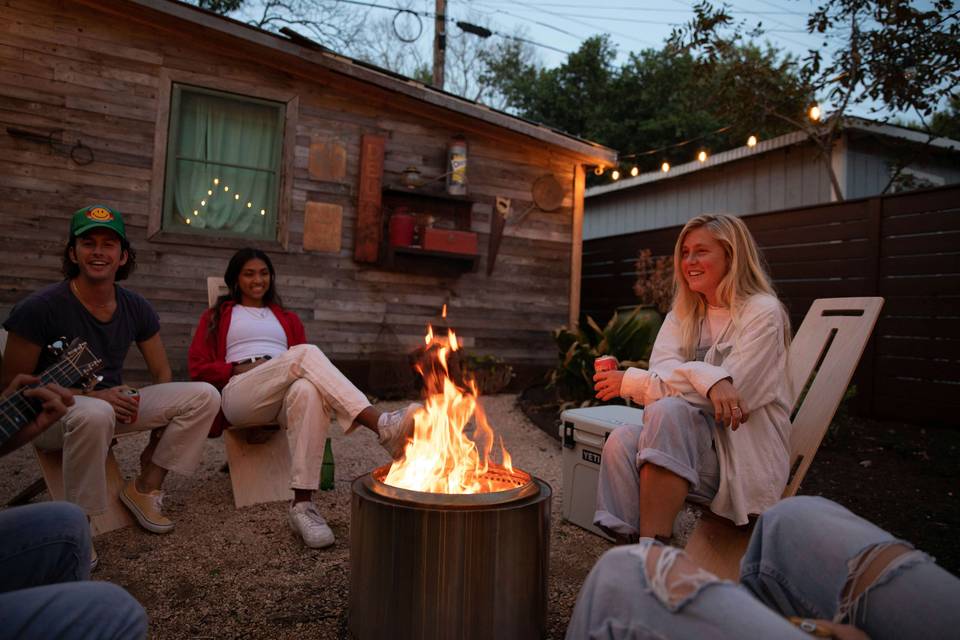
⚠️ Grills, fire pits and outdoor entertaining
Flames and extreme heat in close proximity to human beings can be a dangerous combination.
“Fire pits and grills can lead to burns, fires,or property damage if used improperly, left unattended or placed too close to structures or vegetation,” Ruiz adds.
⚠️ Dogs and other pets
Even a friendly pooch can get overwhelmed by unfamiliar guests, noise or children.
“I’ve been encountering cases lately in which a dog that had never exhibited aggression before bit a guest at a backyard barbecue, and the owner had to confront a civil claim that their homeowners policy would not cover in full,” notes Kruse.


 Credentials