How Dark is Too Dark? Car Window Tint Laws Explained by State

Author profile picture
Susan Meyer
Senior Editorial Manager

Susan is a licensed insurance agent and has worked as a writer and editor for over 10 years across a number of industries. She has worked at The Zebr…

Credentials
  • Licensed Insurance Agent — Property and Casualty
Author profile picture
Beth Swanson
Insurance Analyst

Beth joined The Zebra in 2022 as an Associate Content Strategist. A licensed insurance agent, she specializes in creating clear, accessible content t…

Credentials
  • Licensed Insurance Agent — Property and Casualty
  • Associate in Insurance (AINS)
  • Professional Risk Consultant (PRC)
  • Associate in Insurance Services (AIS)

The Fine Print on Fine Tints

In the summertime, when the relentless sun turns your car into a sauna, the idea of reducing the greenhouse effect with a little shade can be tempting. And of course, darker windows mean more privacy and make it easier to hide things in your car from would-be thieves. It's no wonder that window tinting has become one of the most popular aftermarket vehicle modifications in the country. In fact, it's an $8.6 billion industry, expected to reach $17 billion by 2035.[1]

However, before you add that film, make sure you know your state laws. Window tinting is one of the most heavily regulated automotive modifications. What is perfectly legal in one state can easily get you hit with a costly ticket in another. 

In this article, we're covering window tint laws by state, as well as some of the insurance implications of darkening your windows.
Why Is Window Tinting Regulated?

So why do state goverments care how dark the windows of your ride are? The reasons window tinting is regulated is because of public safety concerns, including:

  • Law Enforcement Safety: When a police officer pulls a vehicle over, they need to see inside for their own protection. If a tint is too dark, an officer cannot tell if a driver is reaching for registration or a weapon.
  • Driver Visibility: Extremely dark windows significantly impair a driver’s vision, particularly at night, during heavy rain, or in poorly lit areas.
  • Pedestrian and Cyclist Safety: Pedestrians and cyclists rely heavily on eye contact with drivers at intersections to ensure they have been seen before crossing. Dark tints completely eliminate this opportunity to communicate. 

How Darkness Is Measured

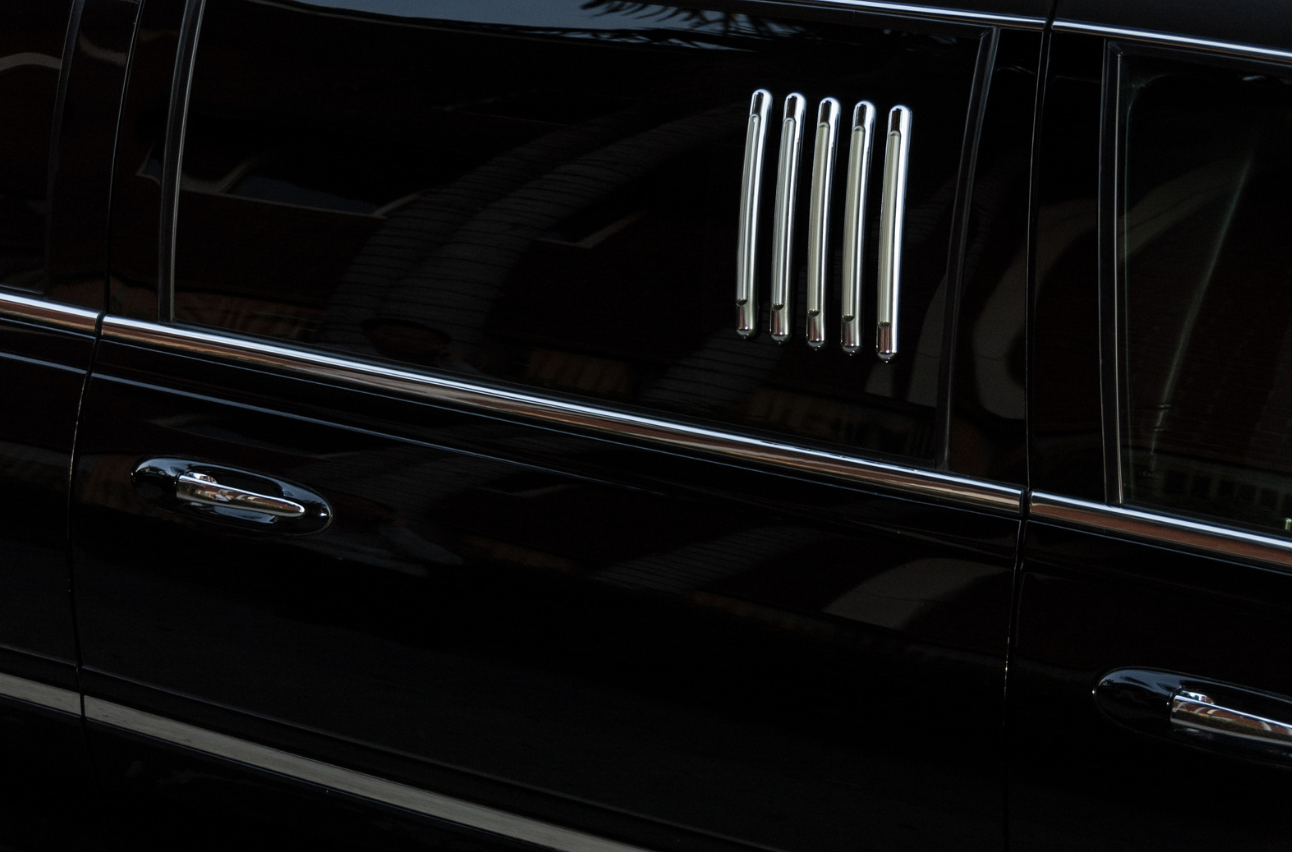
Understanding window tint regulations requires knowing the metric used to measure it: Visible Light Transmission (VLT). The VLT percentage represents how much visible light can pass through your window film and factory glass combined. A lower VLT percentage means a darker tint (e.g., 5% "limo tint" is almost completely blacked out, while 70% VLT is very light and nearly transparent).

The Pros and Cons of Window Tinting

Why People Choose Dark Tint

  • Heat & UV Rejection: High-quality tints can block up to 99% of harmful ultraviolet (UV) rays, protecting your skin and keeping your car’s interior significantly cooler.[2]
  • Privacy and Security: Darker windows keep expensive items left in the backseat or trunk area hidden from the eyes of opportunistic thieves.
  • Aesthetics: Many drivers simply prefer the uniform, sleek look that a darker window profile provides.

The Dangers of Overly Dark Windows

  • Night Blindness: At night, looking through a 5% or 15% VLT front window is equivalent to driving while wearing dark sunglasses.[3] This can limit your ability to spot hazards, debris, or pedestrians.
  • Emergency Situations: Let's say you get in an accident and you or your passengers are trapped. Heavily tinted glass can be more difficult for emergency responders to shatter quickly to pull occupants out.

Which States Have the Strictest Laws?

The strictest window tinting laws in the nation are found in the Northeast and parts of the West Coast.

New Hampshire, New Jersey, and Vermont are among the strictest states in the country. These states completely ban aftermarket tint on the front side windows (0% modification allowed, meaning 100% factory-clear glass).

By comparison, California, New York, Pennsylvania, Delaware, Rhode Island, and Iowa strictly mandate a 70% VLT minimum for front-side windows, allowing only the lightest, virtually invisible ceramic films.

On the other end of the spectrum, Texas, Florida, and Louisiana (which recently lowered its VLT requirement to 25%) are much more lenient. These states allow front windows to drop down into the 25% to 28% VLT range to combat intense regional heat.

State-by-State Window Tint Law Reference

Below is the minimum legal VLT percentage for standard passenger vehicles (sedans/coupes) in all 50 states and Washington, DC.

StateFront Side WindowsRear Side WindowsRear WindowWindshield Tint
Alabama 32% 32% 32% Top 6 inches
Alaska 70% 40% 40% Top 5 inches
Arizona 33% Any Any AS-1 Line
Arkansas 25% 25% 10% Top 5 inches
California 70% Any Any Top 4 inches
Colorado 27% 27% 27% Top 4 inches
Connecticut 35% 35% Any AS-1 Line
Delaware 70% Any Any AS-1 Line
District of Columbia 70% 50% 50% AS-1 Line
Florida 28% 15% 15% AS-1 Line
Georgia 32% 32% 32% Top 6 inches
Hawaii 35% 35% 35% None allowed
Idaho 35% 20% 35% AS-1 Line
Illinois 35% 35% 35% Top 6 inches
Indiana 30% 30% 30% AS-1 Line
Iowa 70% Any Any AS-1 Line
Kansas 35% 35% 35% AS-1 Line
Kentucky 35% 18% 18% AS-1 Line
Louisiana 25% 25% 12% AS-1 Line
Maine 35% Any Any Top 4 inches
Maryland 35% 35% 35% Top 5 inches
Massachusetts 35% 35% 35% Top 6 inches
Michigan Top 4" only Any Any Top 4 inches
Minnesota 50% 50% 50% None allowed
Mississippi 28% 28% 28% AS-1 Line
Missouri 35% Any Any AS-1 Line
Montana 24% 14% 14% AS-1 Line
Nebraska 35% 20% 20% Top 5 inches
Nevada 35% Any Any AS-1 Line
New Hampshire None (100%) 35% 35% Top 6 inches
New Jersey None (100%) Any Any None allowed
New Mexico 20% 20% 20% AS-1 Line
New York 70% 70% Any Top 6 inches
North Carolina 35% 35% 35% AS-1 Line
North Dakota 50% Any Any Top Strip
Ohio 50% Any Any Top Strip
Oklahoma 25% 25% 25% AS-1 Line
Oregon 35% 35% 35% Top 6 inches
Pennsylvania 70% 70% 70% None allowed
Rhode Island 70% 70% 70% AS-1 Line
South Carolina 27% 27% 27% AS-1 Line
South Dakota 35% 20% 20% AS-1 Line
Tennessee 35% 35% 35% AS-1 Line
Texas 25% 25% Any AS-1 Line / 5"
Utah 43% Any Any AS-1 Line
Vermont None (100%) Any Any AS-1 Line
Virginia 50% 35% 35% AS-1 Line
Washington 24% 24% 24% Top 6 inches
West Virginia 35% 35% 35% Top 5 inches
Wisconsin 50% 35% 35% AS-1 Line
Wyoming 28% 28% 28% AS-1 Line / 5"

Note: Windshield rules typically refer to a non-reflective tint strip allowed only at the top few inches of the glass, usually down to the manufacturer's AS-1 line. The AS-1 line is a small, manufacturer-mandated marking located near the top of a vehicle's windshield, usually etched into the glass near the corners.

How Window Tinting Affects Auto Insurance

Before making any changes to your vehicle, it's always smart to think about your car insurance policy Here are some of the ways window tinting affects your car insurance.

  • crash
    1. Illegal Tinting Can Void Claims

    If you are involved in an accident—especially one that occurs at night or during poor weather—and your vehicle has illegal, overly dark window tint, your insurer (or the insurance company of the other driver involved) may investigate. If they determine the illegal tint contributed to a lack of visibility that caused the crash, they may deny your claim entirely, leaving you personally liable for damages.

  • icon-car-speeding
    2. Standard Tints Are Usually Covered (If Legal)

    If your tint is within your state's legal VLT limits, it won't typically cause your monthly premium to increase. However, standard policies treat window film as "aftermarket equipment." If your car is totaled, standard comprehensive or collision coverage will only pay for the factory value of the car—not the $500 to $1,000 you spent on high-end ceramic tint.

  • icon-quote
    3. Custom Equipment Endorsements

    If you want your expensive window film covered in the event of glass breakage or a total loss, you will need to tell your insurance company about it before the accident. You can add a Custom Parts and Equipment (CPE) endorsement to your policy. This will slightly increase the amount you pay, but ensures you are reimbursed for the modification if your vehicle is damaged.

Wrapping Up

Darkening your windows can have its advantages, but make sure you do it within the limits of the laws in your state. Be aware of the ways it may impact your ability to see, especially if you drive frequently at night. And of course, before making any expensive modifications to your vehicle, give your insurance company a heads up

Sources
  1. Automotive tinting market trends. [Research Nester]

    Automotive tinting market trends. [Research Nester]

  2. UV Window Film & Tint. [Skin Cancer Foundation]

    UV Window Film & Tint. [Skin Cancer Foundation]

  3. Can You See Through Tinted Windows at Night? [Vinyl Mafia]

    Can You See Through Tinted Windows at Night? [Vinyl Mafia]