Car Insurance in Honolulu, HI
- Island Insurance Group offers the cheapest car insurance in Honolulu at $100/mo.
- Compare and save on auto insurance in or near Honolulu, HI with The Zebra.
Enter your ZIP code to start your search:
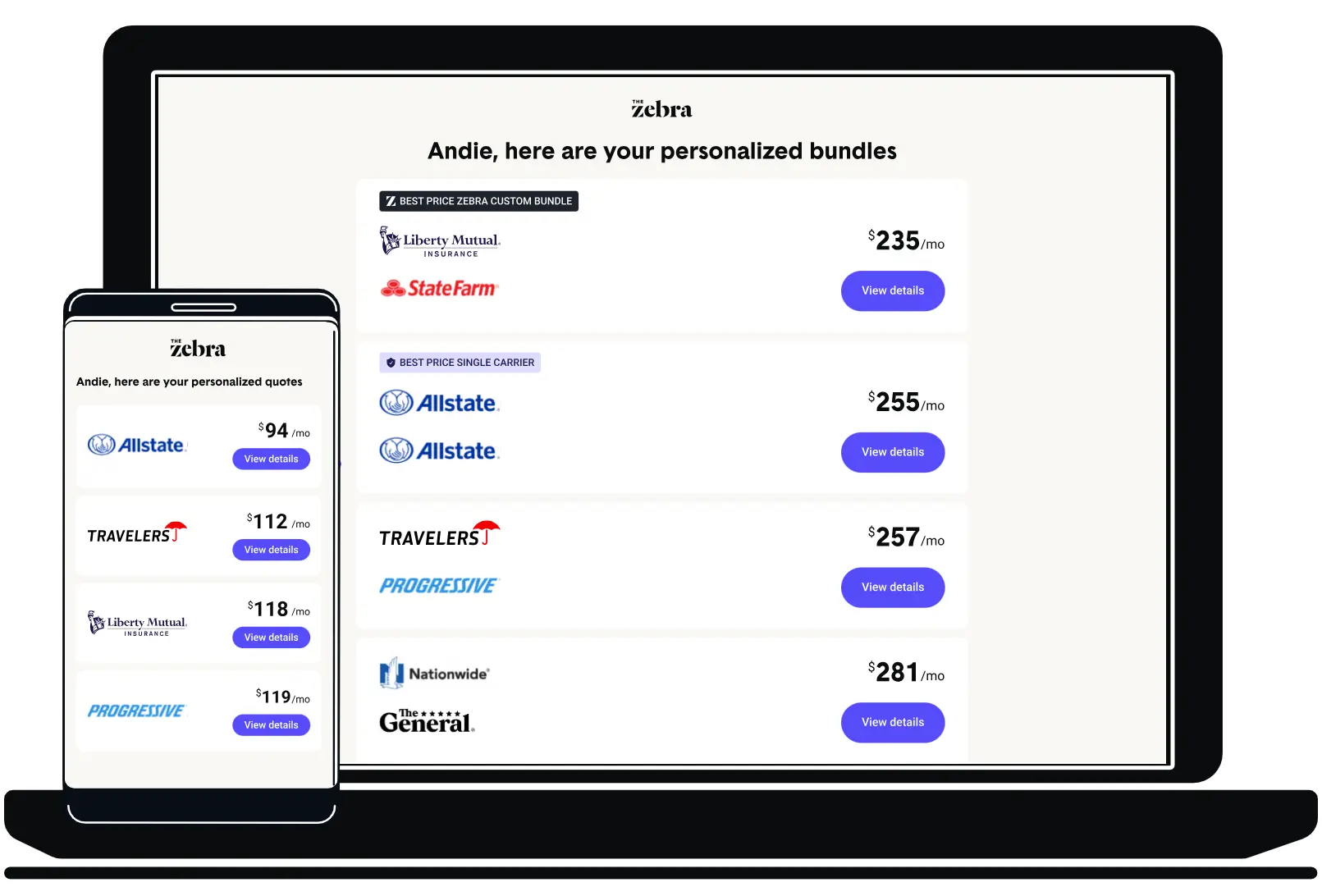
The Zebra works with 100+ insurance partners to connect you with the best coverage in Honolulu at the right price.




 About The Zebra's recommendations

Renata joined The Zebra in 2020 as a Customer Experience Agent. Since 2021, she has worked as a licensed insurance professional and content strategis…
 Credentials
- Licensed Insurance Agent — Property and Casualty
- 6+ years of experience in the insurance industry

Beth Swanson is The Zebra’s Insurance Analyst and Communications Specialist, covering content, PR, and legislative insurance trends. A licensed insur…
Credentials
- Licensed Insurance Agent — Property and Casualty
- Associate in Insurance (AINS)
- Professional Risk Consultant (PRC)
- Associate in Insurance Services (AIS)

Kristine joined The Zebra in 2019 as an in-house content researcher and writer, with a property and casualty insurance license. Before joining The Ze…
Credentials
- Licensed Insurance Agent — Property and Casualty
- 6+ years of Experience in the Insurance Industry
How much does car insurance cost in Honolulu?
Car insurance in Honolulu averages $861 ($144 per month)[1] — about the same as the average premium in Hawaii ($858). 40% of The Zebra's customers in Honolulu admit they're just looking for their car insurance.
Island Insurance Group is the cheapest option for most drivers looking to save, with full coverage rates around $100 per month.
- Island Insurance Group offers the cheapest full coverage rates in Honolulu at $100/mo. For liability the minimum coverage, Island Insurance Group is the cheapest option at $38/mo.
- Car insurance in Honolulu is so expensive primarily because of destructive weather events, heavy traffic congestion, and the high rate of uninsured drivers.
- An at-fault accident in Honolulu can cause rate hikes of up to $267 on a 6 month policy.
Cheap liability and full coverage auto insurance in Honolulu
Drivers in Honolulu looking to balance price and protection in 2026 may want to start with Island Insurance Group, which has the lowest average full coverage rate at about $100 per month. For a more basic policy, Island Insurance Group is the least expensive option for state-minimum coverage, averaging roughly $38 per month. USAA may also offer competitive pricing for eligible service members, veterans, and their families.
Higher liability limits or broader coverage can help absorb more of those expenses before they become out-of-pocket costs — but more coverage comes at a price. The average difference between full coverage and liability only coverage in Honolulu is $564.
The coverage you choose determines how much protection extends to your own vehicle. Full coverage pairs Hawaii's required liability insurance with collision and comprehensive coverage. This combination can help with repair or replacement costs following a collision as well as theft, vandalism, severe weather, and other covered losses. In Honolulu, comprehensive coverage may be worth considering for drivers regularly traveling busy routes like H-1.
By comparison, a minimum liability policy is designed to cover injuries and property damage you cause to other people, not repairs to your own car. About 39% of drivers in Hawaii carry only the minimum required insurance. Although choosing minimum coverage can lower your monthly premium, increasing your liability limits or adding broader protection can provide an important financial cushion when a serious accident results in expensive damages.
Updating data...
| Company | Full coverage (6-month) | State minimum (6-month) |
|---|---|---|
| Island Insurance Group | $601 | $227 |
| Progressive | $630 | $287 |
| USAA | $714 | $228 |
| 21st Century | $841 | $286 |
| GEICO | $872 | $266 |
| State Farm | $1,139 | $450 |
| Allstate | $1,160 | $350 |
Source: The Zebra

The Zebra’s Dynamic Insurance Rating Tool data methodology
The Zebra’s Dynamic Insurance Rating Tool for home and auto insurance rates utilizes the latest ZIP code-level rate filings from across the U.S., sourced from Quadrant Information Services and S&P Global. These filings, typically updated annually or biennially by insurers, are verified through Quadrant’s QA process and then integrated into The Zebra’s estimator.
The displayed rates are based on a dynamic home and auto profile designed to reflect the content of the page. This profile is tailored to match specific factors such as age, location, and coverage level, which are adjusted based on the page content to show how these variables can impact premiums.
For a comprehensive understanding, see our detailed methodology.
Fetching your estimate
Here at The Zebra, we make it easy for you to find the right coverage—at the right price. We compare top companies so you can find what works for you.
We can also help you:
Why is car insurance in Honolulu so expensive?
The price of car insurance in Honolulu reflects the risks drivers face every day. Frequent accidents, heavy traffic, and weather-related damage all contribute to higher claim costs, which can influence insurance rates over time.
1. Weather
Honolulu's tropical climate presents a different set of driving risks that can influence car insurance rates. While the city is largely free from snow and ice, drivers face heavy rain, flash flooding, strong winds, and the occasional tropical storm or hurricane threat that can damage vehicles and create hazardous road conditions. Combined with dense traffic, frequent congestion, and a high number of tourists unfamiliar with local roads, these factors contribute to more accidents and insurance claims, helping keep car insurance premiums higher than in many other parts of Hawaii.
2. Traffic
Honolulu experiences some of the heaviest traffic congestion in Hawaii, particularly along the H-1 Freeway, H-2 Freeway, Nimitz Highway, and Kalanianaʻole Highway. Daily commuter traffic, limited roadway options, and a high volume of visitors sharing the roads increase the likelihood of accidents and insurance claims. As a result, insurers often charge higher premiums to account for the greater collision risk associated with driving in Honolulu.
3. Uninsured Drivers
Honolulu’s island setting makes uninsured drivers a particularly costly concern, since accidents can quickly add to already high vehicle repair and replacement expenses. 29% of Honolulu drivers are uninsured. On interstate H-1 Freeway, a crash caused by uninsured driver could leave the insured driver’s UM coverage responsible for the damages. Those claims can increase insurers’ losses and contribute to higher premiums for Honolulu motorists.

One thing every Honolulu driver should understand is that Hawaii is a no-fault state. That means your own Personal Injury Protection (PIP) coverage pays for your medical expenses after a crash, no matter who caused it. In most cases, injury claims go through your own insurance first, and you can only pursue the at-fault driver for serious injuries that meet the state's legal threshold. Property damage claims, however, are still handled based on who was at fault.
Renata Balasco, licensed agent and insurance writer at TZ
Car insurance rates after an accident in Honolulu
In Honolulu, an at-fault accident can raise your car insurance by $267 for a 6-month policy. Keeping a clean driving record is the best way to avoid increases.
Premiums can go up after multiple violations such as accidents, speeding tickets, reckless driving, or DUIs. The impact usually lasts three to five years, though serious violations like DUIs can affect your rates even longer.
Source: The Zebra
Ready to get started?
Hawaii drivers in and near Honolulu saved money on car insurance recently using The Zebra:

This quote from GEICO helped a Chevrolet Blazer driver in Pearl City, HI cut their insurance costs.

Drivers in Fultondale, HI are getting smart deals on Toyota Camry coverage from Progressive.
*Quotes generated for The Zebra users within the last 30 days. Actual quotes may vary based on the policy buyer's unique driver profile.
Honolulu car insurance FAQs:
-
Data Methodology. The Zebra's Dynamic Insurance Rating Tool
Data Methodology. The Zebra's Dynamic Insurance Rating Tool
Car insurance near me in Honolulu
About The Zebra
The Zebra is not an insurance company. We publish data-backed, expert-reviewed resources to help consumers make more informed insurance decisions.
- The Zebra’s insurance content is written and reviewed for accuracy by licensed insurance agents.
- The Zebra’s insurance editorial content is not subject to review or alteration by insurance companies or partners.
- The Zebra’s editorial team operates independently of the company’s partnerships and commercialization interests, publishing unbiased information for consumer benefit.
- The auto insurance rates published on The Zebra’s pages are based on a comprehensive analysis of car insurance pricing data, evaluating more than 83 million insurance rates from across the United States.