Self-Driving Car Insurance
- Fully self-driving cars aren't available at a consumer level just yet.
- Vehicles with autonomous driving features cost an average $1,768 to insure for a 6-month policy, about 52% more than the typical rate of $1,163.
- Getting quotes and comparing insurers is still the best way to save money for most owners of driverless vehicles.
Enter your ZIP code to save on car insurance for your autonomous vehicle!

Drew joined The Zebra as a Senior Content Specialist in 2026, bringing more than a decade of content writing and research experience to help develop …
 Credentials
- SEO Copywriting Certification — SEO Content Institute

Renata joined The Zebra in 2020 as a Customer Experience Agent. Since 2021, she has worked as a licensed insurance professional and content strategis…
Credentials
- Licensed Insurance Agent — Property and Casualty
- 5 years of experience in the insurance industry

Self-Driving Car Insurance Quick Facts
$1,768
Cost for a 6-month auto insurance policy for cars with autonomous driving features
Travelers
The cheapest car insurance company for self-driving cars
Chevy Bolt EV
The most affordable vehicle with self-driving features to insure
How much does autonomous vehicle insurance cost?
On average, self-driving cars cost $1,768 to insure for a 6-month period[1]. This is $605 more than the national average of $1,145[2], but will vary based on the car you own and where you live. The reason for this higher than average cost of insurance is due to the overall higher price of cars with self-driving features.
📝 A Quick Note: Fully autonomous vehicles aren't available just yet. For the time being, we'll cover vehicles with advanced features like Tesla's Full Self-Driving (FSD) Supervised and Mercedes-Benz's Drive PILOT.

Despite self-driving cars having a lower accident rate than manually operated vehicles[3], insurance for self-driving cars tends to be more expensive than the national average. Why? Because insurance covers the value of your vehicle, and, for the moment, autonomous driving is a high-end feature that is typically reserved for luxury vehicles with high list prices.
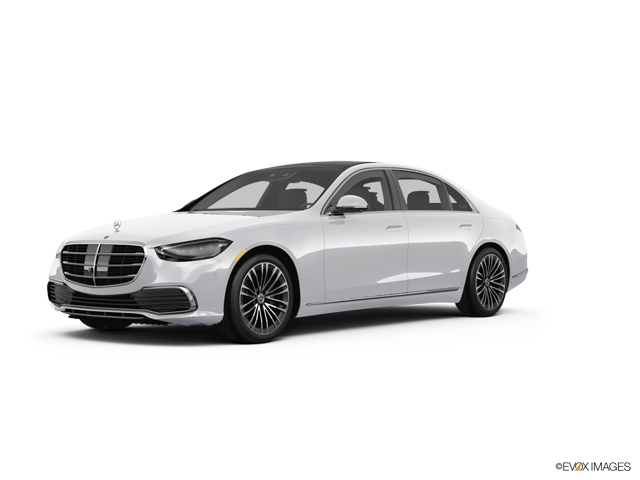
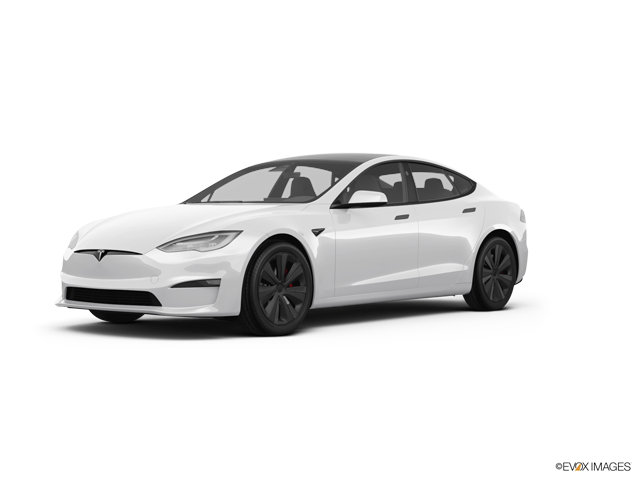
Below, you can see the average cost of insurance for popular vehicles with autopilot features.
Who has the cheapest driverless car insurance?
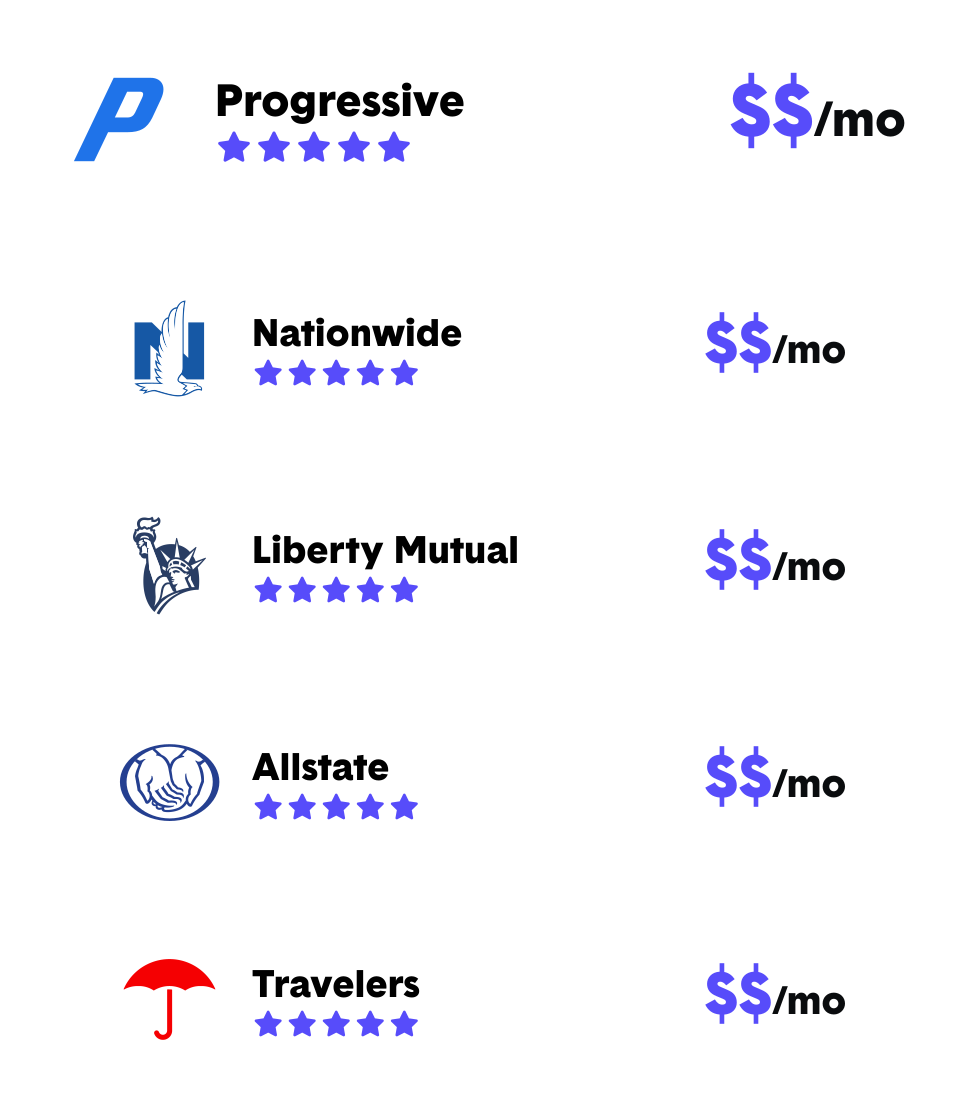
Currently, Travelers offers the most affordable self-driving car insurance, charging an average of $2,093 for a 6-month policy. Auto-Owners insurance also offers an affordable rate but are only available in certain states.
If you're not able to enroll in Auto-Owners or find that Travelers isn't the most affordable in your area, explore the following table to see the average cost of autopilot insurance from other companies.
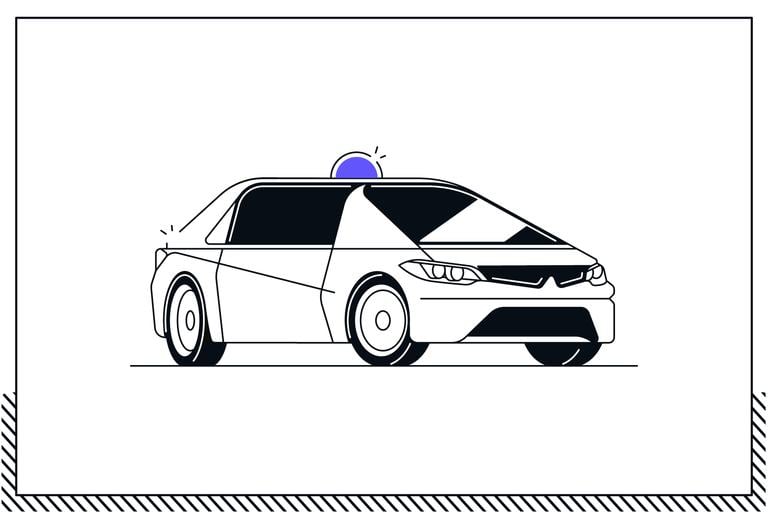
Where you live has a major impact on the cost of auto insurance. Check the following map to see what the average price of driverless car insurance is in your state.
Source: Quadrant Information Services
Best self-driving car insurance companies

Tesla Insurance
Tesla owners can take advantage of in-house insurance provided by Tesla. Their insurance plan uses driving safety scores collected in real time to determine your premium. Using FSD is automatically treated as safe driving, and can help lower your premiums. Available in select states.

Lemonade
Lemonade's mileage-based model is often beneficial to drivers of green vehicles — which includes most self-driving cars. Plus, the company offers extra coverage for home chargers and emergency charging, as well as specialized coverage for FSD use.
Travelers
Travelers offers the most affordable rate for drivers of luxury vehicles with autonomous driving features, averaging around $1,205 for a 6-month policy. Travelers also offers safe driving and EV ownership discounts that owners of self-driving cars can use.
Find insurance for your self-driving car now!
Do self-driving cars need special insurance?
Right now, a majority of self-driving cars use standard insurance policies. Most consumer vehicles are not fully autonomous, including Teslas with FSD, so insurance companies operate under the assumption that a human driver will control the vehicle most of the time.
In fact, on the five level vehicle automation scale, only one consumer vehicle feature reaches a level 3, and most cars with autopilot features only offer level 2 driving automation. Due to these limitations, a standard auto-insurance policy is still the best option for most drivers who own these vehicles.
Lemonade FSD vs Tesla FSD Insurance
There are some insurance plans, such as Tesla Insurance or Lemonade’s FSD program, that are designed for autonomous vehicles. Owners of self-driving cars who frequently use autopilot features may be able to save money on insurance premiums with these policies.
| Feature | Lemonade FSD Insurance | Tesla FSD (Supervised) Insurance |
|---|---|---|
| Company | Third-party insurer | Tesla-affiliated insurance |
| Main FSD benefit | 50% off FSD-engaged miles | Pricing uses Tesla driving/safety data where available |
| Data source | Tesla Fleet API with permission | Tesla vehicle data |
| Availability | AZ, CA, CO, IL, IN, OH, OR, TN, TX, WA | AZ, CO, FL, IL, IN, MD, MN, NV, OH, OR, TN, TX, UT, VA |
| Best for | Tesla owners who use FSD often and want a per-mile discount | Tesla owners comparing Tesla-native pricing |
Self-driving car coverage basics
Coverage for autonomous vehicles works the same way as it does for manually-operated cars. Owners of vehicles with autopilot features can choose either a full coverage policy that includes comprehensive and collision insurance or liability coverage that meets their state's legal minimums for bodily injury and personal property insurance.
Below, you can see several different coverage types and why they matter for owners of self-driving vehicles.

While it may be tempting to believe that a self-driving car will never be involved in an accident, that belief doesn't account for other drivers on the road[4]. If your high-tech vehicle is totaled while you only carry liability coverage, any replacement fees will come out of your wallet. Given the high price of vehicles with autopilot features, it's a good idea to carry full coverage at all times.
Drew Pitt, Insurance writer at The Zebra
Should drivers with self-driving features try telematics?
While advanced driver-assistance features may help some drivers avoid risky situations, they do not guarantee lower telematics scores or lower insurance rates. Studies from the IIHS-HLDI[4] have found little evidence that partial automation itself reduces crash or claim frequency beyond the benefits of underlying crash-avoidance features.
Since telematics programs typically score behaviors like mileage, hard braking, acceleration, speed, time of day and phone use, drivers with Level 2 or Level 3 features still need safe, low-risk driving habits to see the biggest savings.
Considering a self-driving car?
See what the average insurance cost is for your preferred model of autonomous vehicle.
Cheapest Companies
Cheapest Companies
Final takeaway: Shopping around is still the best way to save on self-driving car insurance
Today, full self-driving cars are closer than ever, but they're still not quite ready for the road. For the time being, shopping for self-driving car insurance is virtually identical to shopping for standard car insurance. That means the best way to save money is to regularly compare the coverage options offered by different carriers.
Compare custom car insurance quotes for autonomous vehicles
Autonomous vehicle insurance FAQs
-
Quadrant Information Services
Quadrant Information Services
-
Data Methodology. The Zebra’s Dynamic Insurance Rating Tool
Data Methodology. The Zebra’s Dynamic Insurance Rating Tool
-
Waymo Safety Impact Study
Waymo Safety Impact Study
About The Zebra
The Zebra is not an insurance company. We publish data-backed, expert-reviewed resources to help consumers make more informed insurance decisions.
- The Zebra’s insurance content is written and reviewed for accuracy by licensed insurance agents.
- The Zebra’s insurance editorial content is not subject to review or alteration by insurance companies or partners.
- The Zebra’s editorial team operates independently of the company’s partnerships and commercialization interests, publishing unbiased information for consumer benefit.
- The auto insurance rates published on The Zebra’s pages are based on a comprehensive analysis of car insurance pricing data, evaluating more than 83 million insurance rates from across the United States.