One Storm, Two Claims: How to Handle Home and Car Damage From the Same Weather Event

Author profile picture
Senior Editorial Manager

Susan is a licensed insurance agent and has worked as a writer and editor for over 10 years across a number of industries. She has worked at The Zebr…

Credentials
  • Licensed Insurance Agent — Property and Casualty
Author profile picture
Insurance Analyst

Beth joined The Zebra in 2022 as an Associate Content Strategist. A licensed insurance agent, she specializes in creating clear, accessible content t…

Credentials
  • Licensed Insurance Agent — Property and Casualty
  • Associate in Insurance (AINS)
  • Professional Risk Consultant (PRC)
  • Associate in Insurance Services (AIS)
winter storm

One Storm Can Change Everything

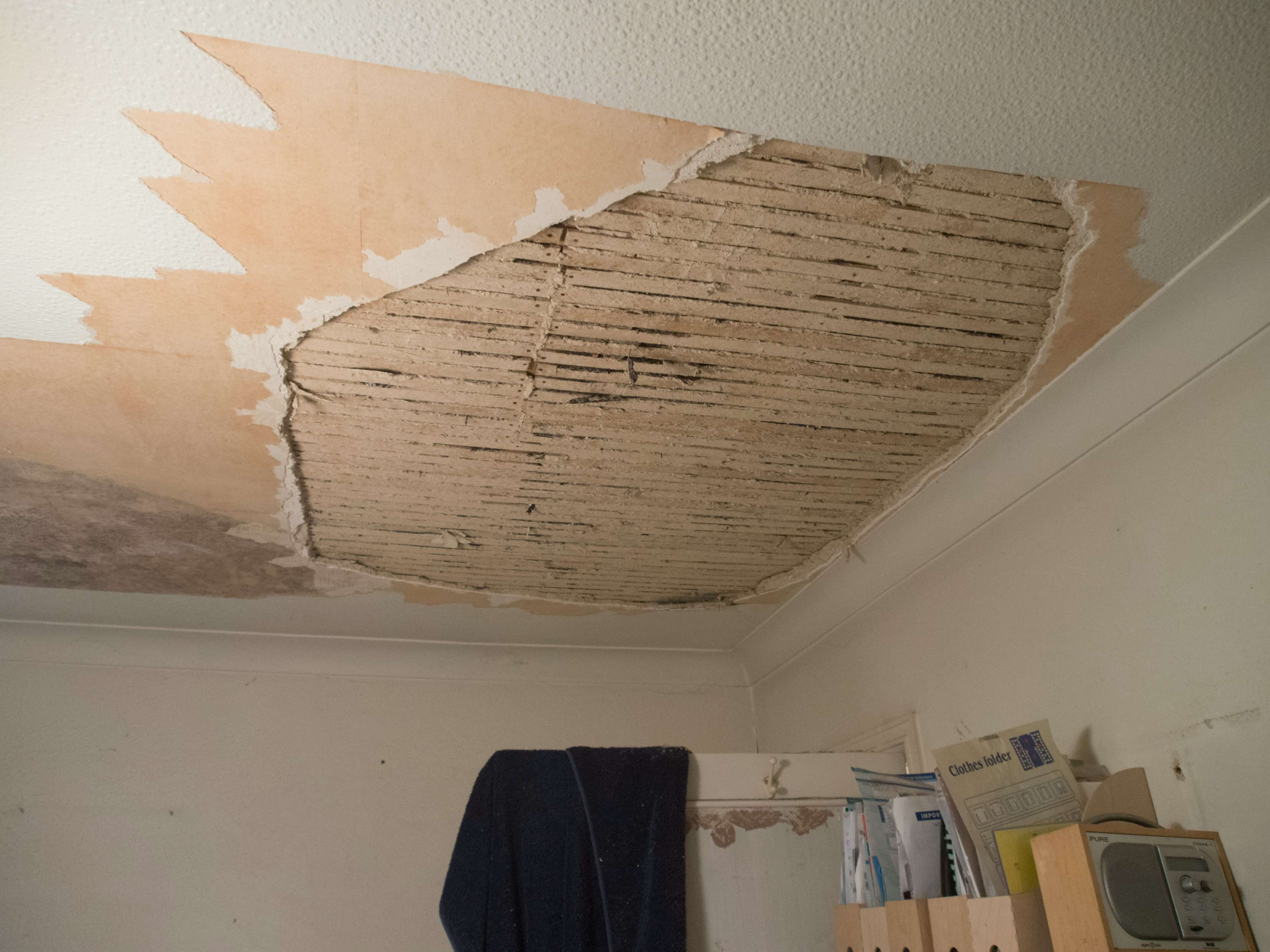
A single severe storm can cause significant property damage in just minutes. A falling heavy tree branch can crack your roof and crush the vehicle parked beside your house, or rising floodwater can submerge a garage along with everything inside it.

When storm damage affects both your home and vehicle simultaneously, it is natural to assume you will file a single insurance claim and pay one deductible. In most cases, home and auto policies operate separately. Here is how storm insurance claims work, how to file concurrent claims, and how to reduce your out-of-pocket costs.

Why Home and Auto Storm Damage Require Separate Insurance Claims

Even when damage stems from a single storm event, home and auto property are insured under separate insurance contracts. Each policy maintains distinct coverage terms, liability limits, policy deductibles, and property definitions.

  • Homeowners Insurance Coverage: Covers the primary house structure, detached structures (such as sheds or unattached garages), and personal property.

  • Auto Insurance Comprehensive Coverage: Covers non-collision vehicle damage, including falling objects, hail, windstorm, and rising water/flooding.

Because home and auto insurance policies represent distinct contracts, insurance companies process them as separate claims. Expect two insurance adjusters, two claim tracking numbers, and two separate policy deductibles—even if both policies are bundled with the same insurance company.

Who Covers What After Storm Damage: Policy Breakdown

Knowing which policy covers specific types of property damage ensures accurate initial claim filings and prevents delays.

Storm Damage ScenarioResponsible PolicyKey Coverage Details
Fallen Tree on House & Car Homeowners (House) & Auto Comprehensive (Vehicle) Homeowners pays for structural repairs and tree removal from the house. Auto comprehensive pays for vehicle repairs. Neighbor policy only applies if the tree was proven dead/neglected before the storm.
Garage Flooding & Submerged Vehicle Flood Insurance (Structure) & Auto Comprehensive (Vehicle) Standard homeowners policies exclude rising water/flooding (requires separate NFIP or private flood policy). Comprehensive auto coverage covers vehicle flood damage.
Personal Items Stolen/Damaged Inside Vehicle Homeowners or Renters Insurance Belongings inside a vehicle (e.g., laptops, tools, luggage) are covered by home or renters insurance, not the auto insurance policy.
  • Wind tree damage icon
    Fallen Trees and Neighbor Liability

    If a storm knocks a tree onto your house or car, your own policies respond first. Property-line ownership usually doesn't change this process. An adjacent neighbor’s insurance company is generally liable only if official documentation proves the tree was dead or hazardous prior to the storm and the owner neglected maintenance.

  • flood zone icon
    Garage Flooding vs. Vehicle Submersion

    Standard homeowners insurance policies exclude rising surface water; structural coverage requires a separate flood insurance policy. However, auto comprehensive coverage includes water and flood damage to vehicles parked inside a flooded garage.

  • personal property quotes icon
    Personal Belongings Inside Damaged Vehicles

    Personal items inside a damaged car—such as personal electronics, golf clubs, or luggage—are classified as personal property under homeowners or renters insurance, rather than auto insurance.

Step-by-Step Guide: How to File Concurrent Home and Auto Claims

Follow these sequential steps immediately following a severe weather event:

  1. Ensure Safety First: Stay clear of downed power lines, structural collapse risks, and deep floodwaters in garages or driveways.

  2. Document All Property Damage: Take wide-angle photos and close-up videos of the home, vehicles, and damaged belongings before initiating cleanup. Record the precise time and date of the storm.

  3. Mitigate Further Damage: Take reasonable steps to protect property, such as tarping broken roof sections or securing broken car windows. Keep all receipts for emergency repair supplies.

  4. Notify Your Insurance Provider: Contact your agent or insurer immediately. If both policies are bundled with one carrier, inform the representative that one event caused dual-policy damage to coordinate adjusters and review potential deductible benefits.

How Bundling Insurance Reduces Out-of-Pocket Storm Costs

Bundling home and auto insurance policies with a single insurer offers structural benefits that lower out-of-pocket expenses during multi-policy losses.

Single-Deductible Provisions (Common-Loss Endorsement)

A single-deductible provision (also known as a common-loss deductible) waives one deductible when a single event damages property covered under multiple policies with the same insurer.

  • How it works: Instead of paying both the homeowners deductible and the auto deductible, you pay only one deductible—typically the higher of the two amounts.

  • Example: If your homeowners insurance deductible is $1,000 and your auto comprehensive deductible is $500, a single-deductible benefit limits your total out-of-pocket cost to $1,000 (saving $500).

  • Availability: Single-deductible coverage is not automatic across all states or companies. It may require a specific policy endorsement or bundled tier package.

Multi-Policy Premium Discounts

Bundling policies typically yields an annual multi-policy discount on premiums. Policyholders often apply these savings to purchase lower comprehensive deductibles (e.g., reducing auto deductibles from $1,000 to $250 or $500).

Streamlined Claims Coordination

Bundling with one insurance company simplifies administrative processing by assigning cross-departmental coordination, sharing loss documentation, and streamlining communications between assigned adjusters.

Is It Worth Filing Claims for Both Home and Vehicle Damage?

Before filing concurrent claims, compare total repair estimates against your policy deductibles.

  • Auto Claim Thresholds: If car repairs exceed your comprehensive deductible by only a minor amount, paying out of pocket may prevent potential multi-claim rate adjustments.

  • Claims History Impact: Comprehensive claims generally affect premiums less than at-fault collisions, but filing multiple claims within a short window (e.g., 3 to 5 years) can raise underwriting risk scores and future rates.

  • Homeowners Claims Records: Home insurance claims are logged in loss-history databases (such as C.L.U.E. reports) and can impact property insurance rates for several years.

Pre-Storm Insurance Checklist

Prepare for potential weather damage by auditing coverage before an event occurs:

  1. Verify Auto Comprehensive Coverage: Ensure vehicles carry comprehensive coverage, as basic liability does not cover storm damage.

  2. Evaluate Flood Insurance Needs: Purchase dedicated flood insurance if your home or garage is at risk for rising surface water.

  3. Confirm Deductible Amounts: Review out-of-pocket limits on both home and auto policies.

  4. Ask About Single-Deductible Endorsements: Inquire if your carrier offers a common-loss provision for bundled insurance products.

Wrapping Up

A single weather event damaging both a home and a vehicle typically results in two separate insurance claims with two deductibles. Bundling policies with an insurer that provides a single-deductible benefit, documenting damage immediately, and reviewing policy limits before severe weather hits are the most effective strategies to minimize total out-of-pocket expenses.