What You Should Do After a Car Accident Involving a Child

Plus Car Seat Tips and Car Insurance Considerations for Child-Involved Accidents

Author profile picture
Susan Meyer
Senior Editorial Manager

Susan is a licensed insurance agent and has worked as a writer and editor for over 10 years across a number of industries. She has worked at The Zebr…

Credentials
  • Licensed Insurance Agent — Property and Casualty
Author profile picture
Beth Swanson
Insurance Analyst

Beth joined The Zebra in 2022 as an Associate Content Strategist. A licensed insurance agent, she specializes in creating clear, accessible content t…

Credentials
  • Licensed Insurance Agent — Property and Casualty
  • Associate in Insurance (AINS)
  • Professional Risk Consultant (PRC)
  • Associate in Insurance Services (AIS)
child in carseat

The Biggest Danger to Kids That We Don't Think About

Parents will do anything to keep their children safe, but for many kids the most dangerous thing they will do all day is get into a car.

Here are some sobering facts:

  • On average, two children under 14 were killed, and 345 were injured in traffic crashes while riding in passenger vehicles in 2023.   
  • 43% of the children killed in car crashes were unrestrained.[1]

September 21-27 is Child Passenger Safety Week, during which the National Highway Traffic Safety Administration raises awareness of how parents and caregivers can keep children safe in vehicles. 

Car accidents are inherently stressful, but having a child in the car can make them that much more traumatic. In this article, we’re sharing exactly what you need to do after an accident involving a minor and some tips for keeping your youngest passengers safe.

What to Do After an Accident with a Child in the Car

If you were the driver and the only adult in the vehicle, you are likely highly rattled. However, following these steps is important to making sure everyone is safe. 

1. Ensure Immediate Safety and Check for Injuries: 

Turn on your hazard lights. Check yourself for injuries before assessing your child or children. Examine infants and young children carefully, as they may communicate distress only through crying or withdrawal. If the child is verbal, ask them what hurts. Unless there is an immediate hazard (smoke, fire, rising water, etc.), if significant injury is suspected, don’t remove the child from their car seat. 

2. Contact Emergency Services:

As soon as immediate safety is established, call 911. Make sure the dispatcher knows that a child is involved, the child’s age, and any injuries you observe. First responders can dispatch pediatric-trained EMTs or specialized equipment based on what is needed. 

3. Keep the Child Calm and Contained:

Young children in pain can easily panic, and they also pick up on adult stress. Try to keep them calm and still as much as possible. Speak in a low, measured voice. If you must leave the vehicle because it isn’t safe to stay in it, carry small children or hold their hands firmly. 

4. Document Details and Seek Medical Evaluation:

Pediatric injuries may not appear right away. Even if your child shows no immediate signs of injury, have them evaluated by an emergency physician or pediatrician. Internal injuries, whiplash, and psychological shock often present hours after an impact. As with any accident, exchange insurance information and document the scene with photos. 

5. Replace the Car Seat:

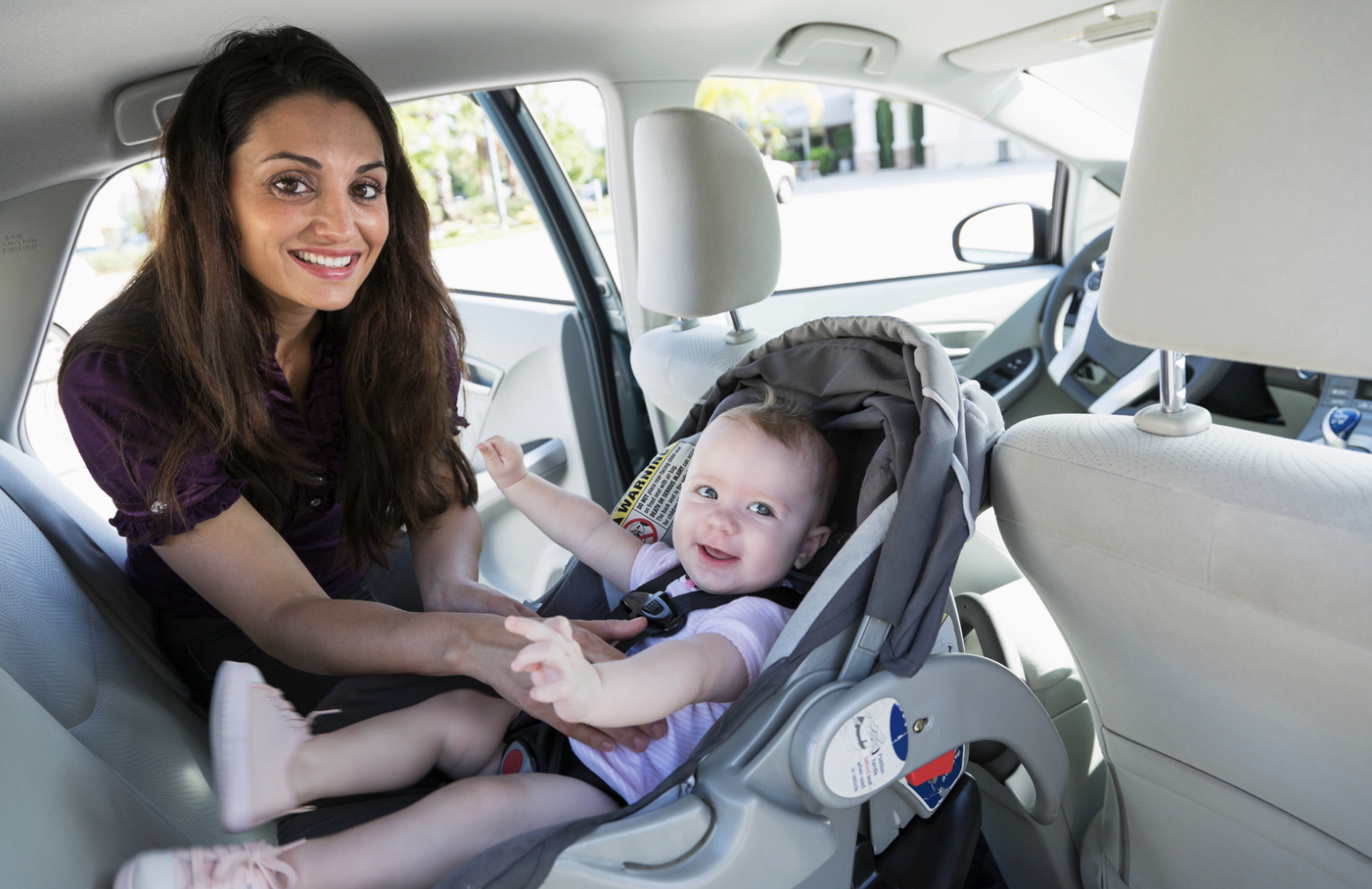
Child safety restraints are a single-use item. Do not reuse a car seat or booster seat after it’s been in a moderate-to-severe crash. (As a side note: even if there wasn't a child in the car seat at the time of the accident, you still need to replace the car seat.) Micro-fractures in the plastic frame may not be visible to the eye but can mean the seat is no longer offering the protection it should. 

Woman helping a baby in a car seat

When Do You NOT Need to Replace the Car Seat

Car seats do not automatically need to be replaced after a minor crash. To qualify as a minor crash, an incident must meet ALL FIVE of the following criteria:

  1. Driveability: The vehicle was able to be driven away from the crash site under its own power.
  2. Door Integrity: The vehicle door nearest to the car seat sustained no damage.
  3. No Injuries: None of the vehicle's passengers sustained any injuries.
  4. Airbag Status: No airbags deployed in the vehicle during the crash.
  5. No Visible Damage: The car seat shows no signs of physical or structural damage.

If the crash fails to meet even one of these conditions, it is classified as moderate or severe, and NHTSA mandates replacing the seat.

Manufacturer Warning: Always check your specific car seat manual. Many major manufacturers (such as Chicco or Graco) maintain a strict replacement policy after any crash, regardless of severity. If the manufacturer's manual conflicts with NHTSA guidelines, always defer to the manufacturer.

How Children’s Bodies Respond to a Crash

Children are particularly at risk in car crashes because their little bodies respond differently to collision forces than adult bodies do. Understanding these differences explains why specialized restraints are so important.

Physical CharacteristicVulnerability ImpactSolution
Proportionately Larger Head Children’s heads represent a larger portion of their body weight giving them a higher center of gravity. This creates a strong rotational force on their neck during frontal impacts. Rear-facing seats support the head, neck, and spine simultaneously. 
Developing Musculoskeletal System Children’s bones aren’t fully ossified (a process that doesn’t complete until their 20s), and they have flexible spinal ligaments which increases the risk of tension on the spinal cord. 5-point harness systems distribute force across strong shoulder and hip bones.
Smaller Abdominal Structure Iliac crests (hip bones) are undeveloped, allowing standard lap belts to ride up onto soft organs and cause internal injuries during a crash. Belt-positioning booster seats route belts over solid bone structure.

The Importance of Car Seats and Booster Seats

These stats illustrate the important role that proper child safety restraints play in keeping children safe.

  • Leading Cause of Injury: Motor vehicle collisions remain a top cause of death for children in the United States.[2]
  • Fatality Reduction: Correct car seat usage reduces the risk of fatal injury by 71% for infants (under 1 year) and 54% for toddlers (ages 1–4) in passenger cars.[3]
  • Restraint Effectiveness: Booster seats reduce the risk of non-fatal serious injury by 45% for children ages 4 to 8 compared to seat belts alone.[4]

Tips for Keeping Child Passengers Safe in Cars

Unfortunately, it isn’t enough just to have a car seat in the car. It has to be used correctly every time, and the rules keep changing as your child’s weight and height do. Follow the manufacturer's instructions carefully, and if you have any questions about whether a seat is installed correctly, look to see if there is an event near you where professionals can check. Often hospitals, fire stations, and community resource organizations offer these types of services. 

  1. Max Out Every Stage: Keep children rear-facing as long as possible—at least until age 2, but ideally until they reach the maximum height or weight limit allowed by the car seat manufacturer.
  2. Perform the Pinch Test: Once your child is buckled into a 5-point harness, try to pinch the webbing at the collarbone. If you can pinch any excess material, the harness is too loose.
  3. Position the Chest Clip Correctly: The chest clip should sit level with the child's armpits and directly across the sternum.
  4. Look for Expiration Dates: Even if they haven’t been in a crash, car seats still have an expiration date because the materials degrade over time and may not offer the same protection. You can usually find this on the safety sticker somewhere on the seat. 
  5. Keep Children in the Back Seat: Children under age 13 should always ride in the rear seat to avoid severe injuries caused by front airbag deployment.
  6. Verify Belt Fit Before Removing Boosters: A child is ready for standard adult seat belts only when their back rests flat against the vehicle seat back, knees bend naturally over the seat edge, the lap belt rests flat across the upper thighs, and the shoulder belt crosses the middle of the chest.

Car Insurance Concerns with a Child-Involved Accident

Handling a car insurance claim for a car accident involving a child is similar in the basic process, but may have a few additional factors involved. As with any claim, you’ll document and report all the relevant information to the insurance company and have the damage to the vehicle assessed. However, when a child was involved in the accident, these are some additional considerations that may come into play:

Replacement of Car Seat:

As mentioned above, car seats are made to withstand only one moderate-to-severe accident. If you have collision coverage, your policy will likely cover the replacement costs of getting a new car seat. The insurance company may require proof that the previous seat was destroyed, such as sending a photo of the seat with the straps cut.

Extended Medical Assessment:

For adults, personal injury payments are usually based on things like medical care and lost wages. But children are still developing physically and mentally, and many injuries may not fully show up for months or even years. Insurance settlements for a minor calculate potential long-term care, future surgeries, ongoing physical or speech therapy, and impacts on future earning capacity. Because of this, adjusters and legal representatives typically delay settling a child's personal injury claim until the child reaches Maximum Medical Improvement (MMI) or a clear long-term prognosis is established.[5]

Toll on the Statute of Limitations:

In adult claims, the statute of limitations to file a personal injury lawsuit is usually two to three years from the date of the crash. When a minor is involved, most jurisdictions apply a rule called tolling. This pauses the statute of limitations until the child turns 18.

Keeping Kids Safe on the Road

Accidents happen even to the best drivers. We can’t always control what happens on the road, but we can control how safe our kids are inside it. Following all federal and state guidelines and manufacturers specifications for car seat safety can help protect their growing bodies from serious injury.

Sources
  1. Child Passenger Safety Week. [NHTSA]

    Child Passenger Safety Week. [NHTSA]

  2. Child Passenger Safety. [CDC]

    Child Passenger Safety. [CDC]

  3. Seatbelts and Child Restraints. [NHTSA]

    Seatbelts and Child Restraints. [NHTSA]

  4. Preventing Child Passenger Injury. [CDC]

    Preventing Child Passenger Injury. [CDC]

  5. Your Child Was Hurt in a Car Wreck. [Bennett Legal]

    Your Child Was Hurt in a Car Wreck. [Bennett Legal]