
Why Winter is the Most Dangerous Season for Home Fires

Author profile picture
Contributing Writer | Personal Finance and Insurance

Erik J. Martin is a Chicagoland-based freelance writer who writes on insurance and finance topics for a variety of publishers, including The Chicago …

Author profile picture
Senior Editorial Manager

Susan is a licensed insurance agent and has worked as a writer and editor for over 10 years across a number of industries. She has worked at The Zebr…

Credentials
  • Licensed Insurance Agent — Property and Casualty
Author profile picture
Insurance Analyst

Beth Swanson is The Zebra’s Insurance Analyst and Communications Specialist, covering content, PR, and legislative insurance trends. A licensed insur…

Credentials
  • Licensed Insurance Agent — Property and Casualty
  • Associate in Insurance (AINS)
  • Professional Risk Consultant (PRC)
  • Associate in Insurance Services (AIS)
house fire risk

The Season That Tests Your Home’s Fire Safety

Nearly half of all home heating fires occur between December and February.[1] As temperatures drop, people spend more time indoors and rely more on heating equipment.

Space heaters and heating stoves represent almost half of heating fires and 77% of heating fire deaths, according to the National Fire Protection Association (NFPA).[2] U.S. fire departments respond to an estimated 835 home structure fires caused by holiday decorations each year, and an average of 143 Christmas tree fires, according to the NFPA.[3],[4]

“A dry Christmas tree is kindling standing in your living room, and I’ve watched one go from a spark to a room full of fire in under a minute,” says former firefighter Andy Roszak, founder/CEO of Institute for Childhood Preparedness.[5] “I spent years responding to these kinds of fires, and the NFPA numbers match what I saw from the back of the engine.”

Let’s take a closer look at some of the leading hazards to address in your home this winter and how homeowners insurance can help.
Cooking Is the Main Culprit Year-Round, but Worse in Winter

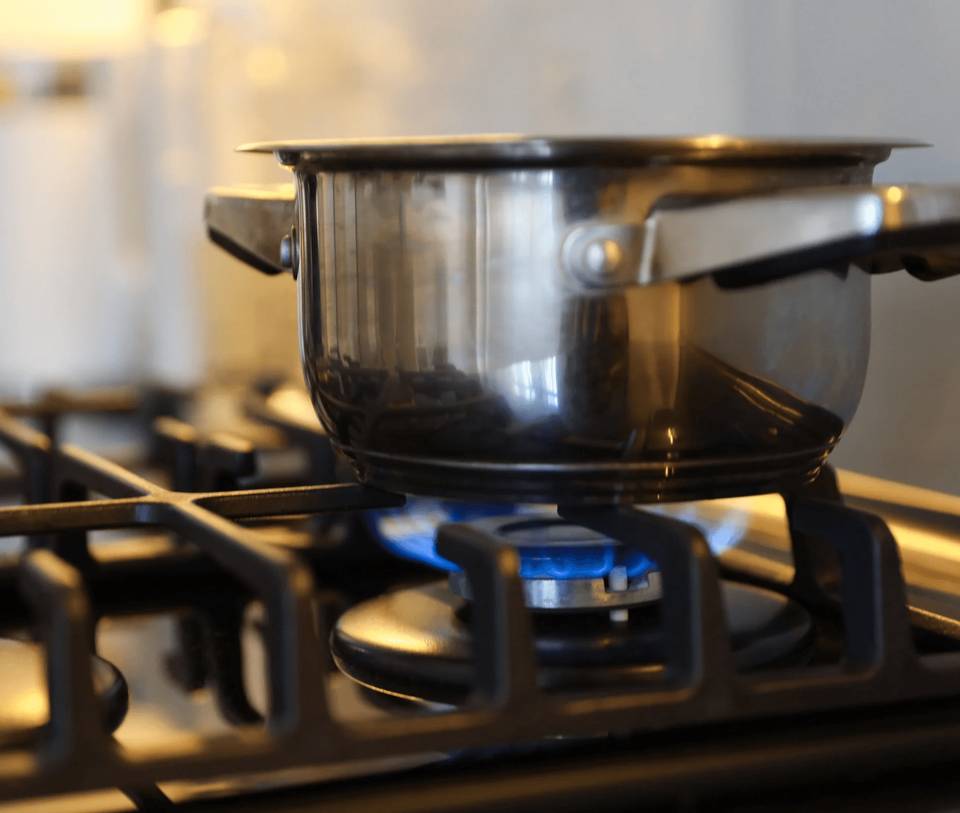
Cooking is typically the leading cause of home fires and related injuries at any time of year and the second leading cause of home fire deaths.[6] But the likelihood worsens during the winter holiday season. 

“The holidays are when households prepare larger meals, entertain guests, and spend more time in the kitchen,” says Janet Ruiz, senior director of Strategic Communication for the Insurance Information Institute.[7] “Distractions are a major factor here. Many cooking fires begin when food is left unattended on a stovetop or in an oven.”

To decrease the danger, don’t leave your stove, oven, toaster, air fryer, or other cooking appliance unattended. Ensure that combustible items like paper products, mitts, and towels are kept away from heat sources, and keep kids and pets away from cooking areas.

“Also, check food regularly when simmering, baking, or roasting. Turn pot handles inward to prevent accidental spills. And keep a properly rated fire extinguisher accessible and know how to use it,” recommends Christopher Fitts, president of Fitts Insurance Agency.[8]

Space Heaters: Convenient but Consistently Deadly

As a firefighter, Roszak saw firsthand what a space heater can do to a living room in 7 minutes.

“They can easily start fires when they sit too close to things that burn – like bedding, curtains, couches, and laundry,” he says. “A space heater left running while you sleep is the most dangerous appliance in your house.”

Always keep your space heater at least three feet from anything that can catch fire. Plug the device directly into a wall outlet, not an extension cord. Turn it off whenever you leave the room or head to bed. Additionally, if you’re shopping for a new one, choose a model with an automatic shutoff feature.

christmas tree

Does homeowners insurance cover Christmas tree fires?

Yes, a standard homeowners insurance policy should cover a fire accidentally caused by a Christmas tree under dwelling, personal property, and additional living expenses coverage. But your insurer could reject your claim if the fire was caused by severe gross negligence or intentional arson.

Take Winter Decorating Risks Seriously

From wreaths and string lights to stockings and tabletop centerpieces, seasonal decor can significantly contribute to residential fire risks. 

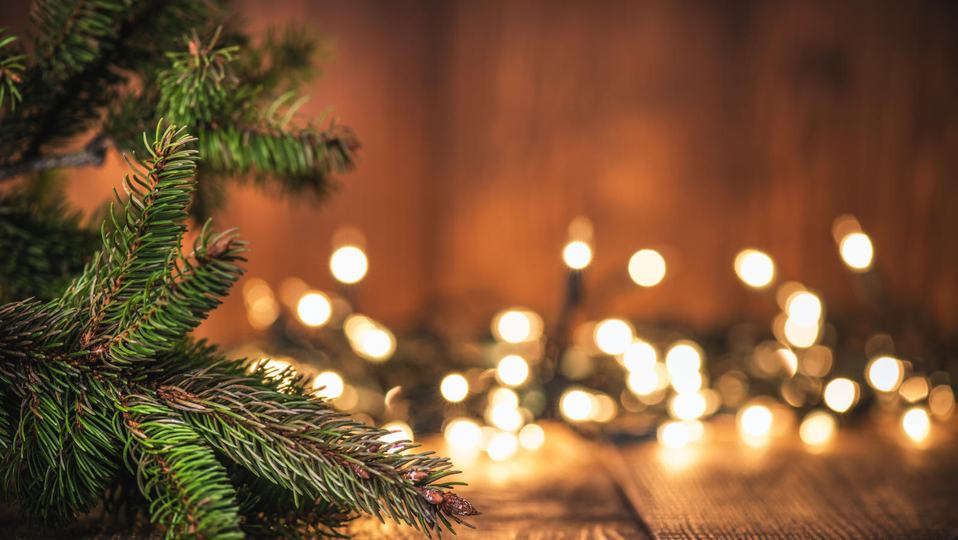
“Everyone loves the smell of a natural Christmas tree in their home during the holidays, but special care is a must to make sure trees don’t dry out,” Fitts notes. “Damaged electrical cords, overloaded electrical outlets, and connecting more light strands than the manufacturer recommends can all increase the risk of a fire.”

For better safety, use an artificial tree instead of a natural tree. But if you prefer the latter, be sure to water it every day and keep it a minimum of three feet from heaters, fireplaces, and candles. Always turn off your tree lights before going to bed or leaving the house, too.

Also, use flame-resistant decorations, inspect light strands for damage, avoid outlet overloading, and never leave burning candles unattended, per Ruiz. 

“Better yet, replace open-flame candles with battery-operated alternatives,” she says.

What to Expect With Insurance After a Winter Fire

Fortunately, a standard homeowners insurance policy will have your back if it covers a claim caused by a winter or holiday fire. Your policy should cover damage to the home itself, personal belongings, additional structures, and liability exposures arising from a covered loss. It should also include loss of use coverage – commonly called additional living expense (ALE) – which helps pay for temporary housing, meals, and other increased living costs when your home is uninhabitable because of a covered loss.

If a fire occurs, afterward you’ll need to report the claim, document the damage, and work closely with your carrier to determine repair and replacement costs. 

“When you file a claim, you’ll have an adjuster inspect your property. They’ll take detailed photos and videos as part of their process, and they may work alongside law enforcement – depending on the origin of the blaze,” Beth Swanson, insurance analyst with The Zebra, explains. “The best way to keep things moving along is to be forthcoming with any information you have about your home and belongings and keep the lines of communication open with your adjuster.”

This claims process will be easier if you create a home inventory before any loss occurs.

“The easiest way to get reimbursed for the things you’ve lost to a fire is to have proof of ownership for those things in the first place,” adds Swanson, who recommends taking and preserving photos, videos, receipts, and digital records of all your possessions and appliances. 

This claims process will be easier if you create a home inventory before any loss occurs.

You should also check whether your policy includes replacement cost value (RCV) or actual cash value (ACV); the former is preferred because it repairs or replaces your damaged item with a new or similar one without subtracting value for age, wear, or depreciation. You can essentially go buy the same thing you lost at today's price. ACV reimburses you based on what the item was worth on the open market before the loss, with depreciation factored in. RCV is typically slightly more expensive, but it's worth comparing before ruling it out.

“Remember: There’s a difference between having basic versus sufficient homeowners insurance. Take the time to review your coverage carefully with your agent, which can close up any gaps between partial and complete protection,” advises Fitts.

Follow This Winter Fire Safety Checklist

In addition to the specific safety tips offered earlier, you can reduce your winter fire safety risks by adopting these best practices:

☑ Have your furnace, fireplace, and chimney professionally inspected and serviced.

☑ Install smoke alarms and carbon monoxide detectors inside bedrooms, outside sleeping areas, and on every level.

☑ Test smoke alarms and carbon monoxide detectors monthly, install fresh batteries at least once a year, and replace older units according to the schedule recommended by the manufacturer.

☑ Create and practice a family fire escape plan that includes two ways out of your home.

☑ Clean your dryer’s lint filter after every load and have your dryer vent professionally cleaned once a year.

☑ Dispose of fireplace ashes in a covered metal container outdoors, away from your house.

FAQs

What is the most common cause of house fires in winter? Chevron down icon

Cooking is the single leading cause of home fires year-round, regardless of the season, but heating equipment is often the primary culprit behind the seasonal spike in residential fires during the winter months – with space heaters often causing most casualties, according to the National Fire Protection Association (NFPA). [9],[10],[11]

Does homeowners insurance cover space heater fires? Chevron down icon

Yes, a standard homeowners insurance policy should cover a fire caused accidentally by a space heater under standard fire damage provisions in the policy. But your carrier could deny coverage or refuse to renew your policy if the fire was caused by gross negligence or relying on a space heater as an unapproved primary heat source without disclosing this to your carrier.

How far should a space heater be from furniture and walls? Chevron down icon

According to the National Fire Protection Association (NFPA), portable space heaters should be at least three feet from all walls, furniture, bedding, curtains, and other flammable materials. This clearance applies to all sides of the device, preventing radiant heat from igniting nearby combustible items.[12]

Sources
  1. Put a Freeze on Winter Fires. National Fire Protection Association

    Put a Freeze on Winter Fires. National Fire Protection Association

  2. Holiday Fire Safety Tips. NFPA

    Holiday Fire Safety Tips. NFPA

  3. NFPA shares information on U.S. home heating fires, which peak during winter months. NFPA

    NFPA shares information on U.S. home heating fires, which peak during winter months. NFPA

  4. Interview with Andy Roszak. Institute for Childhood Preparedness

    Interview with Andy Roszak. Institute for Childhood Preparedness

  5. Interview with Janet Ruiz. III

    Interview with Janet Ruiz. III

  6. More than one-third of Christmas tree home fires occur in January. NFPA

    More than one-third of Christmas tree home fires occur in January. NFPA

  7. Home cooking fires. NFPA

    Home cooking fires. NFPA

  8. Interview with Christopher Fitts. Fitts Insurance

    Interview with Christopher Fitts. Fitts Insurance

  9. Cooking Safety Tip Sheet. NFPA

    Cooking Safety Tip Sheet. NFPA

  10. Heating Fire Statistics. NFPA

    Heating Fire Statistics. NFPA

  11. Fire Safety Tips for Cold Weather. NFPA

    Fire Safety Tips for Cold Weather. NFPA

  12. Electric Portable Space Heater Safety. NFPA

    Electric Portable Space Heater Safety. NFPA