Factors Affecting Car Insurance Rates
Age, driving experience, credit history, and vehicle type are some of the other factors that influence the rate someone pays for their car insurance.

Renata joined The Zebra in 2020 as a Customer Experience Agent. Since 2021, she has worked as a licensed insurance professional and content strategis…
 Credentials
- Licensed Insurance Agent — Property and Casualty
- 5 years of experience in the insurance industry


Beth joined The Zebra in 2022 as an Associate Content Strategist. A licensed insurance agent, she specializes in creating clear, accessible content t…
Credentials
- Licensed Insurance Agent — Property and Casualty
- Associate in Insurance (AINS)
- Professional Risk Consultant (PRC)
- Associate in Insurance Services (AIS)
What factors affect car insurance rates?
A rating factor is a customer characteristic insurers use to calculate car insurance premiums. Key factors include age, driving history, credit score and location — generally, the lower your risk, the lower your rate.
Because insurance companies weigh these factors differently, choosing the right provider is important, too. Prices can vary, so comparing quotes will help you find the best value for your driving profile.
Below are nine common rating factors insurers use to set rates.
Personal factors
Vehicle-based factors
Rates by company
Rating factors based on the driver
Insurance companies assess personal details about a driver to gauge the level of risk they pose. These car insurance rating factors can change over time, but some—like age and driving history—carry more weight than others.
1. Age
Age is one of the biggest factors affecting car insurance rates. Teens typically pay the most because they have less driving experience and higher accident rates. Rates generally fall as drivers gain experience, reaching their lowest point around the mid-50s before rising again for seniors.
Updating data...
| Age Group | Avg. 6 Mo. Premium |
|---|---|
| 16-19 | $3,078 |
| 20s | $1,816 |
| 30s | $1,054 |
| 40s | $1,279 |
| 50s | $1,203 |
| 60+ | $1,437 |
Source: The Zebra

The Zebra’s Dynamic Insurance Rating Tool data methodology
The Zebra’s Dynamic Insurance Rating Tool for home and auto insurance rates utilizes the latest ZIP code-level rate filings from across the U.S., sourced from Quadrant Information Services and S&P Global. These filings, typically updated annually or biennially by insurers, are verified through Quadrant’s QA process and then integrated into The Zebra’s estimator.
The displayed rates are based on a dynamic home and auto profile designed to reflect the content of the page. This profile is tailored to match specific factors such as age, location, and coverage level, which are adjusted based on the page content to show how these variables can impact premiums.
For a comprehensive understanding, see our detailed methodology.
2. Driving and claims history
Your driving history is one of the biggest factors affecting car insurance rates. Insurers use your past to predict future risk, so speeding tickets, DUIs, reckless driving and previous claims can all raise your premium — sometimes for several years.
Your claims history includes claims you file and those filed against you. The table below shows how different violations and claims can affect rates.
Source: The Zebra
3. Credit score
Credit is a major — but often overlooked — rating factor. Drivers with poor credit can pay nearly double what those with excellent credit pay because insurers associate lower credit with greater claims risk.
California, Hawaii, Massachusetts and, to some degree, Michigan restrict or prohibit insurers from using credit to set auto insurance rates.
Updating data...
Source: The Zebra
4. Location
Where you live can have a big impact on car insurance rates. State insurance laws affect how policies are priced, while insurers use ZIP codes to account for local risks like traffic, weather and crime.
Compare average car insurance rates by state below, or explore rates by city.
Updating data...
Source: The Zebra
5. Other personal demographics
Insurance companies also may take gender, marital status, and occupation into account when rating policies, but these factors are weighed less heavily than the factors outlined above. Still, it's worth looking at how average premiums compare with these factors in mind.

Gender primarily impacts rates for young drivers. On average, a male teen driver pays $754 more per year in auto insurance premiums than a female teen driver. Again, this is because car insurance companies see young male drivers as more likely to take risks than their female counterparts.
Marital status has a minor effect on auto insurance rates. Historical data show married drivers share driving duties, filing fewer individual claims. The difference between car insurance rates for married, divorced, single, and widowed drivers is minimal.
Your profession typically has very little effect on your car insurance rates, but some companies associate certain occupations with less risky driving. Additionally, some professional organizations partner with insurance companies to secure more favorable rates.

"Unfortunately, your rate can still increase due to uncontrollable outside factors. This is because insurance rates are determined by your "risk pool," which includes everyone in your area. If others in your pool are filing claims, you will be associated with the same risk level, leading to possible rate hikes. Insurance carriers look after their loss-to-income ratio, and if their losses rise, they apply an area-wide premium increase to all customers."
Hunter Black — Sales Manager at The Zebra
Rating factors based on the vehicle
Unlike personal rating factors, vehicle-based factors are easier to change if rates are too high. Driving a sensible car, adjusting coverages and deductibles and paying off your vehicle can all help lower auto insurance premiums.
6. Coverage levels and deductibles
The more coverage you carry, the more you’ll pay for car insurance. Higher coverage limits cost more because your insurer takes on more financial risk if you file a claim.
Deductibles also play a role; a higher deductible means more out of pocket in the event of an accident, but lower monthly rates. The reverse is also true — a lower deductible can mean slightly higher monthly rates. The table below outlines average premiums by coverage limit and deductible.
Updating data...
| Coverage | Avg. 6 Mo. Premium |
|---|---|
| State Minimum Liability Only | $408 |
| State Minimum with $1,000 Deductible | $892 |
| State Minimum with $500 Deductible | $1,016 |
| 100/300/100 BI/PD with $1,000 Deductible | $1,018 |
| 50/100/50 BI/PD with $1,000 Deductible | $1,026 |
| 100/300/100 BI/PD with $500 Deductible | $1,145 |
| 50/100/50 BI/PD with $500 Deductible | $1,153 |
Source: The Zebra
Choosing Car Insurance Deductibles
Use The Zebra to see car insurance by deductible ($500 or $1,000) from GEICO, Progressive, Nationwide, Liberty Mutual and Allstate (+100 other companies)
7. Vehicle type
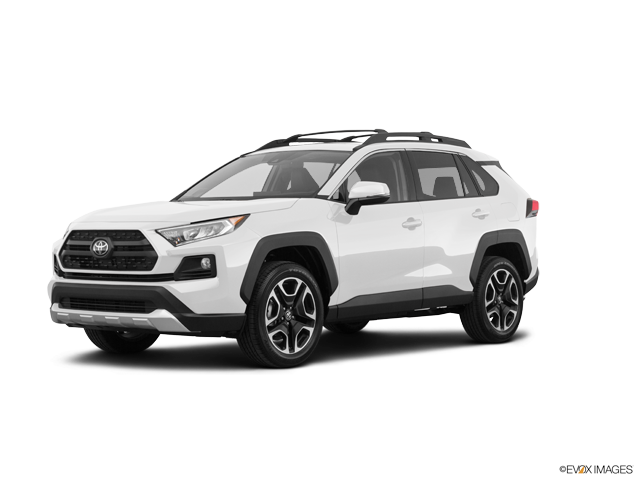
The car you drive can directly affect your insurance costs. Insurers consider factors like repair and replacement costs, safety features and theft risk when setting rates. That’s why luxury and sports cars typically cost more to insure than safer, more affordable vehicles.[1]
Use our handy calculator to compare insurance costs by vehicle.
Cheapest Companies
8. Annual mileage
Annual mileage can have a bearing on insurance premiums. The difference in premiums for drivers who travel fewer than 7,500 miles per year versus those who drive 15,000-plus miles annually hovers around $100. According to our data, 34% of Zebra customers drive less than 7,500 per year.
Updating data...
| Annual Mileage | Avg. 6 Mo. Premium |
|---|---|
| 0-7500 | $1,222 |
| 7501-10000 | $1,263 |
| 10001-15000 | $1,297 |
| 15001+ | $1,327 |
Source: The Zebra
9. Ownership status
Insurers generally classify vehicles as owned, leased or financed. While ownership status can affect premiums, the biggest difference is often coverage requirements. Lenders and leasing companies typically require collision and comprehensive coverage for leased and financed cars, which can make insurance more expensive.
Learn more about insurance for each type of vehicle ownership:
Car Insurance for a Leased Vehicle
Find the best rates for home insurance in Miami, FL with our expert guide.
How to Find Cheap Car Insurance for a Financed Vehicle
It may come as a surprise that full coverage is often required on financed vehicles. Learn more about auto insurance with a bank auto loan or dealership financing agreement.
Car Insurance for a Paid Off Vehicle
After you've paid your car loan, your car insurance rates will drop significantly. But are you paying for full coverage when you don't really need it?
Average car insurance rates by top companies
Based on our standard driver profile of a 30-year-old single male with no accidents driving a 2021 Toyota RAV4 (see our methodology), we've compiled average rates from top insurance companies. Or, use our car insurance calculator below to estimate what you should be paying.
Updating data...
| Company | Avg. 6 Mo. Premium |
|---|---|
| Progressive | $835 |
| Travelers | $858 |
| GEICO | $899 |
| USAA | $902 |
| Nationwide | $1,146 |
| State Farm | $1,165 |
| Farmers | $1,381 |
| Allstate | $1,631 |
Source: The Zebra
Fetching your estimate
Here at The Zebra, we make it easy for you to find the right coverage—at the right price. We compare top companies so you can find what works for you.






We can also help you:
How to save on car insurance
While you can't always change the details about you that insurance companies use to rate policies, you can practice smart habits when it comes to understanding your insurance policy and how to lower your premiums.

The biggest factor in determining auto insurance costs is the insurance company you decide to go with. Rates vary substantially from company to company and while there are other factors that comprise your driving profile, you could be paying too much for car insurance simply because your current company is too expensive. Let the Zebra help you gather quotes from as many companies as possible using your individual rating profile to find the best possible rate for you.
Unless you have accident forgiveness, every car insurance company will raise your rates after you file a claim. Most insurance companies will keep up-charging your premium for three years following an accident. This will cause the overall rate increase for one at-fault accident to equal well over your original premium. If you can afford to pay out-of-pocket for repairs (and the amount paid is about equal or lesser than your deductible), it may be worth it to explore that option instead of filing.[2]
Vehicles depreciate rapidly, so if you own a vehicle worth less than $4,000, you might not need collision and comprehensive coverage — which can save you a lot of money! These coverage options are designed to protect your vehicle from property damage. However, if your vehicle isn’t worth much, you might be paying for coverage you do not need.
The key point here, though, is to have consistent coverage. If you’re going to sell your vehicle, you should consider buying a non-owners policy. A non-owner car insurance policy only provides liability coverage for drivers who do not own a car but want to maintain their insurance coverage. This will not only keep you continuously insured but offer you additional liability insurance when you’re driving.
Discounts can help lower rates, but usually not drastically. Still, checking out discounts you may qualify for is always worthwhile. The most common discount available is a multi-policy discount. You earn this when you bundle two or more policies with the same insurance provider. Other common discounts include:
- Good driver discount
- Paperless discount
- Payment by bank account
- Paid in full discount
- Multi-car discount
- Good student discount (under 25)
- Telematics discount
Frequently asked questions — factors affecting car insurance
-
What determines the price of an auto insurance policy? Insurance Information Institute
What determines the price of an auto insurance policy? Insurance Information Institute
-
To claim or not to claim...that is the question. United Policyholders
To claim or not to claim...that is the question. United Policyholders
Related Questions
Do parking tickets affect insurance rates?
Failure to submit a breathalyzer's impact on car insurance rates?
Do car insurance companies price match?
Will a claim on a shared policy affect rates for my other policy?
About The Zebra
The Zebra is not an insurance company. We publish data-backed, expert-reviewed resources to help consumers make more informed insurance decisions.
- The Zebra’s insurance content is written and reviewed for accuracy by licensed insurance agents.
- The Zebra’s insurance editorial content is not subject to review or alteration by insurance companies or partners.
- The Zebra’s editorial team operates independently of the company’s partnerships and commercialization interests, publishing unbiased information for consumer benefit.
- The auto insurance rates published on The Zebra’s pages are based on a comprehensive analysis of car insurance pricing data, evaluating more than 83 million insurance rates from across the United States.